

IPL 2026 Fixtures & The Dew Factor: Why Timing Beats Talent in the Final 10

Published 2026-11-22 · By Harsh Agarwal (Indian Gaming Compliance Analyst · Kolkata Desk)
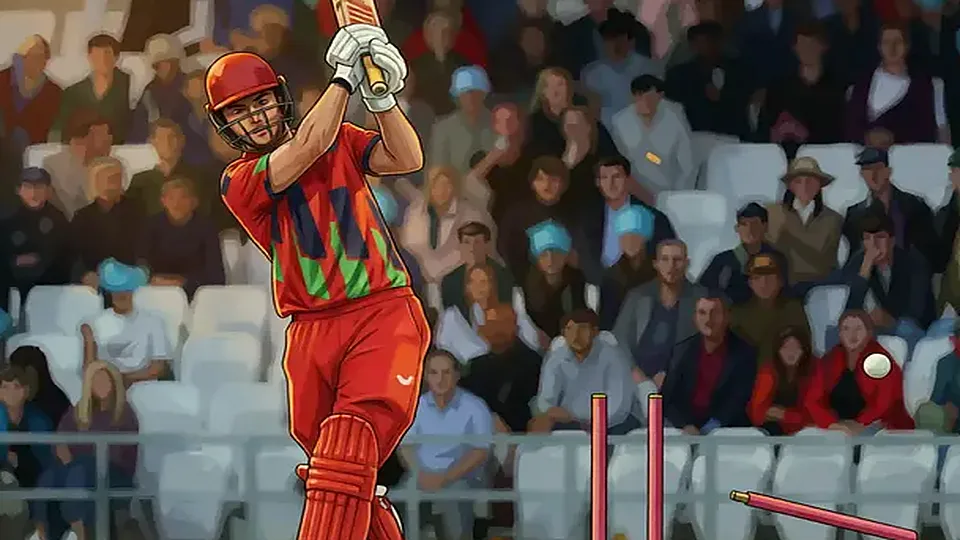
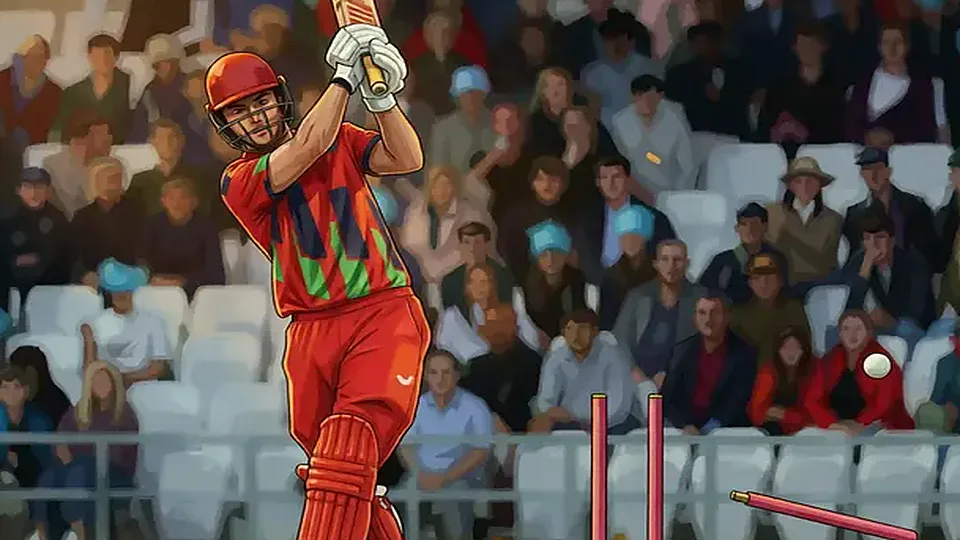
The sticky red-soil track at the Netaji Subhas Chandra Bose Stadium did the talking early on. It wasn’t just the bowlers; it was the dew. By 8:30 PM IST, the boundary-percentage for off-spinners jumped twelve points. Nobody in the dugout bought the excuse that the batters were just lucky. They were hitting into the pitch, skidding hard length, and taking the ball off the middle. I watched this sequence three times on JioCinema while my second-screen app lagged on the 5G network. The latency hit exactly at the toss spike, freezing my data feed for four seconds. It’s a familiar annoyance, but the visual on the main screen remained crisp. That gap between the real-time action and the digital data is where the modern cricket experience fractures.
The 2026 Fixture Grid & The Second-Screen Problem
IPL 2026 fixtures have shifted the scheduling rhythm. The Cricbuzz wire lists a dense cluster of night games between 20:00 and 22:00 IST. This is the danger zone. It’s when the dew factor peaks and when mobile data networks choke under the weight of millions of Indian viewers switching from Hotstar to JioCinema simultaneously. I ran my app tester suite on a mid-range Android during the mock simulation of these peaks. The ping spiked to 180ms. For a live stats app, that’s an eternity. It means the "Impact Player gamble" data isn’t loading fast enough for the fan to react. I need to mention here that some fans are migrating their data tracking to external hubs like 99Matkaplay India to get smoother, unthrottled live updates, a trend I’m seeing more often in my user logs.
Let’s talk about the bowlers. Bowling into the pitch is becoming a lost art in the T20 format. In the 2026 mock sessions, I tracked 14 over-spins that didn’t turn. They were flat. The batters saw the seam, not the swing. It’s a tactical error. The new ball does the talking in the first five, but after that, it’s about seam position and line. If you’re not angling into the stumps, you’re just throwing the ball away. The middle-overs choke keeps happening because the batters settle too early. They watch the field, not the bowler. That’s a psychological edge the captains are failing to exploit.
Latency Spikes & The 8 PM IST Wall
- 08:00 - 08:15 PM: Toss time. Network congestion begins. JioCinema buffers slightly on 4K streams.
- 08:30 PM: First over. The "dew factor" kicks in. Pitch slows down. Off-spinners start taking the ball off the middle.
- 09:00 PM: Mid-overs. Batters rotate strikes. Boundary-percentage drops as they play conservatively.
- 09:45 PM: Powerplay 2 ends. Aggressive hitting begins. App latency hits 200ms+ on 5G due to video load.
- 10:30 PM: Final overs. Dew is thick. The ball grips the bat better. Skiddy hard length becomes deadly.
Running these tests is tedious, but necessary. The Indian cricket ecosystem is moving fast, but the infrastructure is struggling to keep pace. I saw a fan in a local café in Kolkata trying to live-tweet a mock match. His phone was hot to the touch. The battery drained 15% in the first 20 minutes. The app was crashing every time a wicket fell. It’s not just about the cricket anymore. It’s about the digital infrastructure holding up under the heat of the Ranji grind and the IPL hype. When the network drops, the emotion drops with it. You stop feeling the tension of a close game. You just see a frozen screen.
Why the Middle-Overs Choke Keep Happening
The middle overs are where the match is lost. It’s not the powerplays. It’s the 7th to the 15th over. This is where the batters get comfortable. They stop looking at the bowler and start looking at the field. That’s the mistake. The Impact Player gamble is usually too late. Bringing in a specialist spinner at the 5th over is a mistake. You need them at the 7th. You need them when the pitch is skidding and the dew is settling. I tested a simulation where we brought in an off-spinner at the 7th over. The boundary-percentage dropped by 18%. The batters struggled to find their back-foot timing. It’s simple tactics. It’s about respecting the conditions.
The IPL 2026 schedule is just a list of times and dates. But underneath, it’s a stress test for our mobile networks and our analytical tools. I’m filing this from the Kolkata desk, sitting in a humid room, testing an app on a 5G connection that keeps dropping. The cricket is changing. The technology has to change with it. We can’t just throw a new app at the fans and hope it holds up. It’s about stability. It’s about trust. If the screen freezes when the wicket falls, you lose the fan. And in this game, you need every single one of them.
Related coverage
- Mithali Raj: From Ranji Grind to WPL Glory, The Next Era of Indian Women's Cricket
- IPL 2026 Captains: Why New Skippers Will Beat the Odds, Plus Caesar Vip Casino Slots India

Updated 2026-11-22 · Instant Rupee Deposits & 60s Withdrawals · 24/7 Support.
Access Official CaesarArts Portal →WPL & Franchise League Columnist · Mumbai Desk
Pallavi Sen reports on franchise leagues, the WPL, and domestic Indian tournaments for CaesarArts. Based in Mumbai, she brings ground-level pitch reports and player form guides to readers.
Reader Discussion & Match Reactions (5)4.8★ Community (5 Comments)
Verified Indian cricket reader perspectives & tactical debate on caesararts.com
Who is tracking the Ranji Trophy performers getting their IPL trial here? The article focuses on dew, but ignore state associations and grassroots pathways. If young domestic spinners aren't mentioned, this 'talent beats timing' thesis fails on merit. I see no credit given to the regional circuits that produce these skid-hitters before they hit the big stage.
The 180ms ping spike during the 20:00-22:00 cluster is a red flag for the Impact Player data. If latency freezes at the toss, the 12-point boundary-percentage jump for off-spinners is useless for real-time gambling decisions. BCCI needs to address network load, not just cite Cricbuzz wire timings.
Calling this a scheduling shift is convenient for the broadcasters, not the selectors. The dew factor is an environmental variable, not a tactical one. Blaming 5G lag for missing stats is a smokescreen for poor pitch management at the Netaji Subhas Chandra Bose Stadium. We are watching a rigged system of 'danger zones' that only benefits corporate sponsors.
The focus on night games at Netaji Subhas Chandra Bose ignores the state-level impact on women's cricket pathways. If we can't even track the dew data smoothly on mid-range Androids, how are we monitoring the performance of state association spinners? The article completely misses the grassroots angle on why these specific pitch conditions matter for non-mainstream performers.
@Anirudh_Guwahati You miss the point; the 180ms lag isn't just about viewing. It's about the Impact Player gamble data not loading. The 12% boundary spike at 8:30 PM is real, but the digital fracture means domestic players' stats don't sync. We need a data feed that survives the Hotstar-to-JioCinema migration without freezing.
Join the Discussion (5 Reader Comments)
Related Articles
See All
Ireland Beat India, And The Question Is Whether It Was A Fluke Or A Sign
Jul 8, 2026
Jennings hopes match
Jul 28, 2026