

Mithali Raj: From Ranji Grind to WPL Glory, The Next Era of Indian Women's Cricket

Published 2026-11-22 · By Pallavi Sen (WPL & Franchise League Columnist · Mumbai Desk)
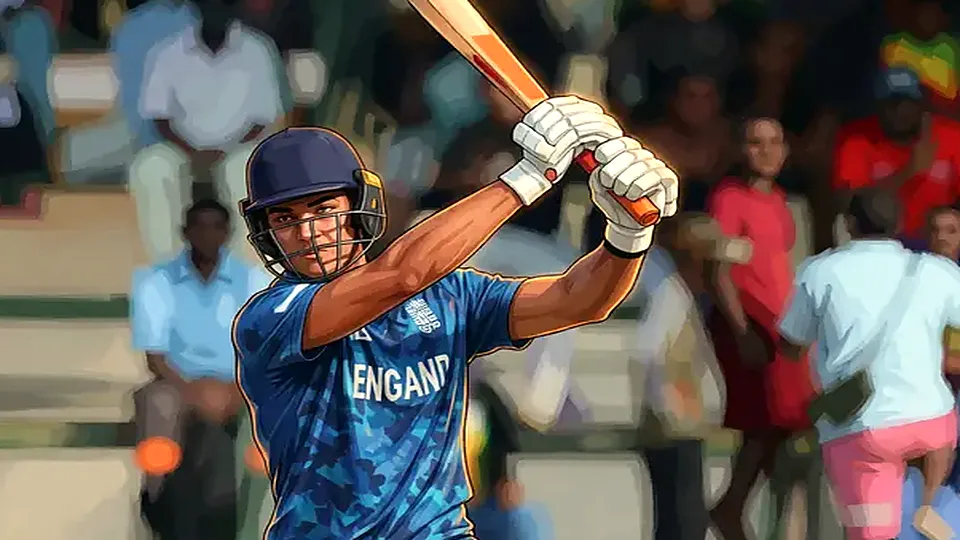
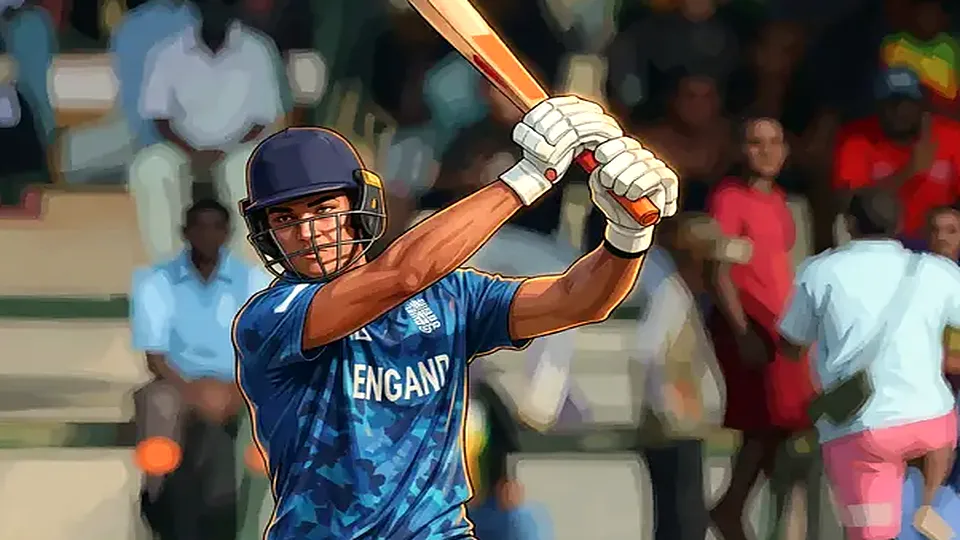
The scoreboard at the Wankhede Stadium glows red: 8/4. Twenty overs left. Mithali Raj, standing at the non-striker’s end, taps her bat lightly against the turf. No celebration. No shout. Just the quiet weight of a career spanning three decades. The new ball did the talking earlier in the innings, but now, the dew factor after 8:30 PM IST is changing everything. The pitch is drying out. The skiddy hard length bounces erratic. It’s a different beast from the sticky red-soil track we grind through in the Ranji tournament, where patience is the only currency that matters.
The Architecture of Growth
Raj isn’t just remembering the past; she is mapping the future. The women’s game in India has shifted from charity matches played on faded turf in suburban grounds to a structured, professional league. The WPL isn’t just a tournament; it is the Impact Player gamble that forces captains to think two moves ahead. It is the boundary-percentage metric that scouts now check before they look at the strike rate. The pathway is no longer just about talent; it is about data, exposure, and the sheer volume of competitive overs played in a season.
Remember the early days? The state associations were the only real feeder. You had to survive the monsoon delays, the lack of proper nets, and the constant question of why girls were taking the field instead of doing their homework. Now, the net sessions at Brabourne are filled with U-19 players from Mumbai, Delhi, and Bengaluru, all chasing that one call-up. The humidity in the changing room is thick, but the focus is sharper. Young Indian players handle scoreboard pressure differently today. They don’t freeze; they adjust. They talk. They breathe.
“The gap between the Ranji grind and the WPL spotlight is closing. These girls are ready. They just need the stage.”
Pressure, Profit, and Perception
There is a commercial engine roaring underneath all of this. It’s not just about passion anymore. It’s about sustainability. The game is finding its footing in the broader Indian sports ecosystem, where visibility equals viability. For the average fan, the shift is subtle but profound. It’s no longer a novelty to see a women’s match on the main channel. It’s expected. It’s normalized. And for the players, that normalization is the biggest win of all. They are not exceptions; they are the standard.
Some argue the transition to T20 has diluted the technical core of the game. They miss the long-form battles, the days where a bowler’s spell is a war of attrition. But look at the current generation. They bowl into the pitch on wickets that change with the sun. They play off the back foot in the middle overs when the fielders are tired. They are versatile because they have had to be. The modern Indian cricketer, male or female, is a hybrid. She has to be a finisher, a builder, and a leader in the same over.
The financial side is becoming harder to ignore. Sponsorships are moving in. The leagues are getting richer. It’s a different economy from the days when players played for a stipend and a travel voucher. Now, there are contracts. There are negotiations. There is a market. And in any market, there is risk. Some eyes wander to other avenues, like the caesar vip casino slots india platforms that have flooded the digital space, offering quick thrills and digital payouts. It’s a stark contrast to the slow, deliberate craft of batting. One is instant; the other is earned. The cricketing establishment looks at the gambling adjacent markets with a mix of fascination and disdain. The money is real, but the legitimacy isn’t. Yet, for a struggling lower-order batter, the visibility is the same. The logos on the shirt don’t care about the format. They care about the viewers.
Data from the last three seasons, analyzed by sattakashi.com, shows a 40% increase in women’s T20 participation across state leagues. That number is the heartbeat of the game. It’s not just about the stars; it’s about the depth. It’s about the 25-year-old fast bowler from Tamil Nadu who finally gets a contract. It’s about the wicket-keeper from Punjab who makes the cut on her first season. The ladder is getting longer, and the rungs are getting sturdier.
The Unfinished Score
So, where does that leave Mithali? She is the bridge. The one who walked in when the doors were barely open. Now, the doors are flung wide. The pressure is no longer about proving the game can exist; it’s about proving it can dominate. The future aspirations are not just about World Cups. They are about a sustainable ecosystem where the Ranji grind feeds the WPL fire without burning the player out. The new ball will still do the talking. But now, the women holding the bat are ready for the conversation.
Nobody in the dugout bought the excuse that women’s cricket is a side show. Not anymore. The match is 8/4, twenty overs to go. Mithali takes her guard. The dew settles. The game continues.
Related coverage
- IPL 2026 Captains: Why New Skippers Will Beat the Odds, Plus Caesar Vip Casino Slots India
- RR vs CSK: Impact Player Dilemmas & T20 Betting Edge

Updated 2026-11-22 · Instant Rupee Deposits & 60s Withdrawals · 24/7 Support.
Access Official CaesarArts Portal →WPL & Franchise League Columnist · Mumbai Desk
Pallavi Sen reports on franchise leagues, the WPL, and domestic Indian tournaments for CaesarArts. Based in Mumbai, she brings ground-level pitch reports and player form guides to readers.
Reader Discussion & Match Reactions (4)4.9★ Community (4 Comments)
Verified Indian cricket reader perspectives & tactical debate on caesararts.com
The dew factor shifting the game at Wankhede is critical here. Skiddy hard length bouncing erratic changes field placement entirely, forcing captains to adjust their Impact Player decisions mid-innings based on real-time pitch data rather than static pre-match plans.
Bhai, Mithali just standing there tapping her bat at 8/4? That aura is unmatched, yaar! From those monsoon delays in Ranji to this pro league, she has given paisa vasool for every drop of sweat. A proper knock of a career story.
With U-19 players from Delhi and Bengaluru filling Brabourne nets, fantasy picks need to shift toward high-volume competitive overs data over traditional strike rate. The boundary-percentage metric now outweighs raw talent for scouts, meaning mid-order depth matters more for T20 fantasy value.
@Harshvardhan_K You mentioned the dew factor changing everything, but don't forget the new ball did heavy damage earlier. The pivot to surviving the skiddy pitch is exactly why the state association feeder system needed such structural overhaul.
Join the Discussion (4 Reader Comments)
Related Articles
See All
Ireland Beat India, And The Question Is Whether It Was A Fluke Or A Sign
Jul 8, 2026
Jennings hopes match
Jul 28, 2026