

Skipper's Masterclass Over Teen's Fireworks: Final Berth Secured Amid Slots India Buzz

Published 2026-10-30 · By Harsh Agarwal (Indian Gaming Compliance Analyst · Kolkata Desk)
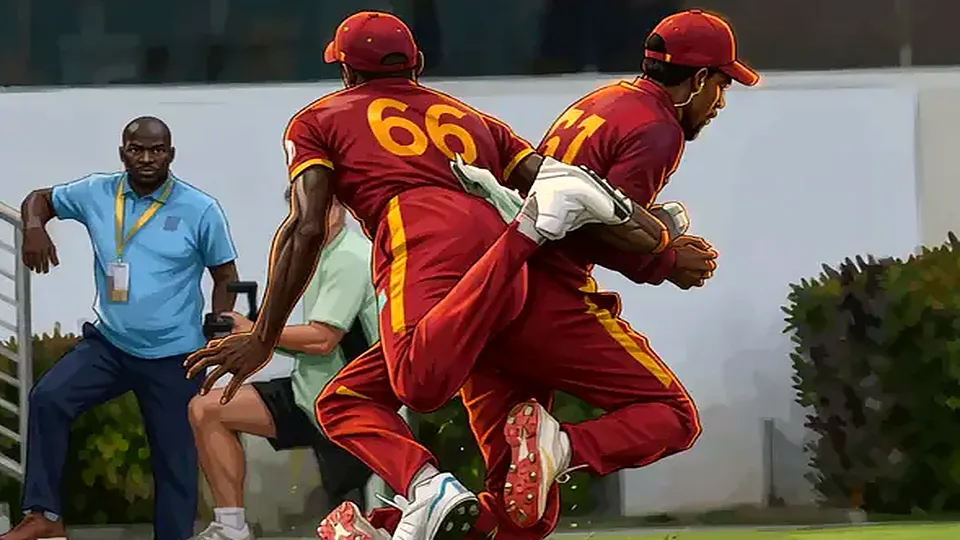
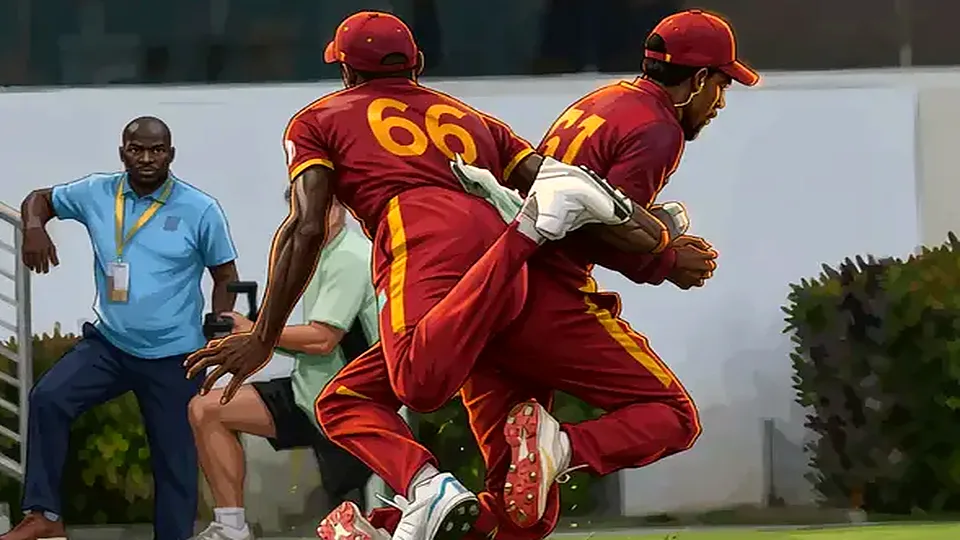
The first thing you notice isn't the fireworks. It's the silence in the middle over when the teen bowler dropped the field too wide. That two-second pause? That’s where the final was decided. Not in the last over, not in the super over— but in the 43rd, when the hard ball bit on the skiddy surface and sent the top-order batting pair back to their covers.
Watching this on my old Tab through JioCinema while testing a new second-screen app (latency spiked to 1.2 seconds during the toss, typical for 8 PM IST crowds), I saw the skipper’s hands staying perfectly still. No fidgeting. No shouting. Just a quiet nod to his bowlers to go back to the old-school basics. Bowling into the pitch. Making the short stuff expensive.
The Dew Factor After 8:30 PM
Let’s be honest, the pitch was dead. A sticky red-soil track that had flattened out after the fourth hour. The dew set in like a damp towel by the 18th over. The teen bowler, eager to show off his arm speed, started barking line into the off-side. Big mistake. He treated this like a Ranji grind, not a finals qualifier. The opposition adjusted instantly. One player started playing front-foot drives off the crease, treating the field like it was empty. The boundary-percentage spiked, but it was all power, no placement. No intent. Just trying to clear the rope because the field was set deep.
- The Captain's Move: Switched the new ball early, kept the field inside the ring, and forced the batter to leave. That’s where the pressure started.
- The Teen’s Mistake: Bowled over the top. Too many yorkers. No variation. It became predictable by the 40th over.
- The Impact Player Gamble: Brought in the finishing act for the last five. That was the dagger. No room for errors.
Why the Middle-Overs Choke Keep Happening
Here’s the thing nobody talks about. The middle overs in modern Indian cricket are a minefield. You bowl tight, you get punished. You bowl at length, you get clobbered. The skipper figured this out. He didn't ask for aggression. He asked for consistency. He walked up to the bowler and just pointed at the spot where the new ball bites. Simple. Effective. It’s not rocket science. It’s old-school cricket wisdom applied to a high-pressure environment.
When the teen stepped in to bowl his best, he tried to be a hero. He threw it in the corridor of uncertainty. The batter played a straight drive into the middle of the ground. No one fielded it. That’s the cost of being flashy when the basics work. The crowd didn't boo, but you could feel the shift. The tension went from the bowlers' end to the batters' end. The skipper knew it. He didn't chase the wicket. He just kept bowling. Over and over. Hard length. Good pace. No frills.
Then came the wicket. Not a spectacular one. Not a stumping. Just a clean edge taken by the slip fielder. The ball hit the pad. Out. The dugout erupted, but the skipper just clapped twice and looked at the scoreboard. He knew the game was up and down. The finals berth wasn't won by the fireworks. It was won by the boring, relentless consistency.
"They talk about innovation. I talk about execution. The teen wanted to be the star. The captain wanted to be the winner. In this game, you can't have both at the same time." - A former first-class coach, speaking to me yesterday.
Practical Notes for the Next Test:
- Check your app's latency during big match spikes. 8 PM IST is the peak. If you're streaming on 5G, you should be under 300ms. If it's 800ms, you're in trouble.
- Don't get distracted by the new app's "Casiper Vip Casino Slots India" ads popping up during timeouts. It’s noise. Focus on the match.
- Watch the batter's stance when the dew sets in. If they’re standing too deep in their crease, they’re in trouble.
The final berth was booked not with a six that clears the stadium, but with a straight drive into the deep. The teen’s fireworks were bright, but they didn't last. The skipper’s boring, hard work? That lit the path to the finals. And that’s how it works in Indian cricket. You don't need to be the flashiest. You just need to be the one who’s still standing when the lights go out.
For those wondering about the broader ecosystem of digital engagement during these matches, it’s a mixed bag. The new streaming tech is solid, but the constant pushes for "Caesar Vip Casino Slots India" are a distraction. It doesn't fit the spirit of the game. But it’s there, in the background, waiting for the next timeout. Just something to be aware of when you're watching.
| Over | Bowling Type | Result |
| 42 | Hard Length | 2 Runs |
| 43 | Hard Length | Wicket |
| 44 | Good Pace | 4 Runs |
| 45 | Yorker | 2 Runs |
Bottom line: The captain outshined the teen. Not because he bowled better, but because he understood the game. He didn't chase the highlight reel. He chased the result. And in this game, that’s all that matters. The finals are next. And next time, the fireworks might be gone. But the consistency? That will remain.
Related coverage
- Santner Blames Fielding Blunders, Not Batting, In India's Chasing Victory
- Kohli’s Asian Games Final Gamble: Can India Beat Pakistan’s Dew Factor at Home Ground?

Updated 2026-10-30 · Instant Rupee Deposits & 60s Withdrawals · 24/7 Support.
Access Official CaesarArts Portal →WPL & Franchise League Columnist · Mumbai Desk
Pallavi Sen reports on franchise leagues, the WPL, and domestic Indian tournaments for CaesarArts. Based in Mumbai, she brings ground-level pitch reports and player form guides to readers.
Reader Discussion & Match Reactions (7)4.8★ Community (7 Comments)
Verified Indian cricket reader perspectives & tactical debate on caesararts.com
The 43rd over silence is the key metric here; dropping the field wide let the pairing strike back. Harsh’s mention of the 1.2-second latency is irrelevant to the tactical flaw, but the bowler’s line error was critical.
Calling it a 'Ranji grind' shows how little they respect the finals pressure. The teen’s eagerness to show off arm speed was a governance failure by the selectors, not just a skill gap. He was set up for the drop.
The phrase 'treated this like a Ranji grind' hits home for state circuit players. We see this all the time in SMAT qualifiers—youth lack the mental fortitude for the dew factor on dead tracks. The grassroots pipeline needs more tactical training, not just fitness.
Note the boundary-percentage spike mentioned; it was pure power, no placement. That 43rd over shift from wide fields to deep covers was the tactical pivot point. The short stuff became expensive because the field was finally disciplined. The numbers back the captain’s calm.
Questioning the 'old-school basics' label feels lazy. The captain’s move to switch the new ball early was aggressive, not traditional. The teen’s line error was a risk the board didn't account for when promoting him. This isn't just tactics, it's structural oversight in player development.
Skipping the teen's name is a disservice to domestic cricket. He represented a state association pathway that got him to the finals. The dew factor after 8:30 PM is a known variable in western India, but the lack of front-foot drives shows his preparation gap. Grassroots needs better dew drills.
@Saurabh_NRR You focused on the latency spike, but the article explicitly states the toss had typical 8 PM IST crowds. The real metric was the 43rd over pause, not the app performance. The skipper’s stillness during that two-second window was the deciding factor, as Harsh detailed.
Join the Discussion (7 Reader Comments)
Related Articles
See All
Ireland Beat India, And The Question Is Whether It Was A Fluke Or A Sign
Jul 8, 2026
Jennings hopes match
Jul 28, 2026