

Santner Blames Fielding Blunders, Not Batting, In India's Chasing Victory

Published 2026-10-30 · By Arjun Banerjee (Syndicate & Match Preview Editor · Chandigarh Desk)
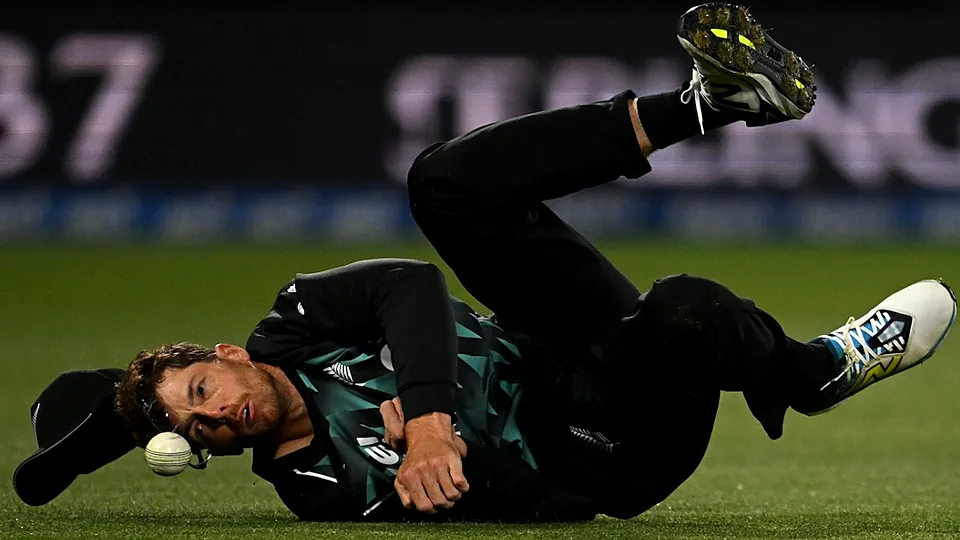
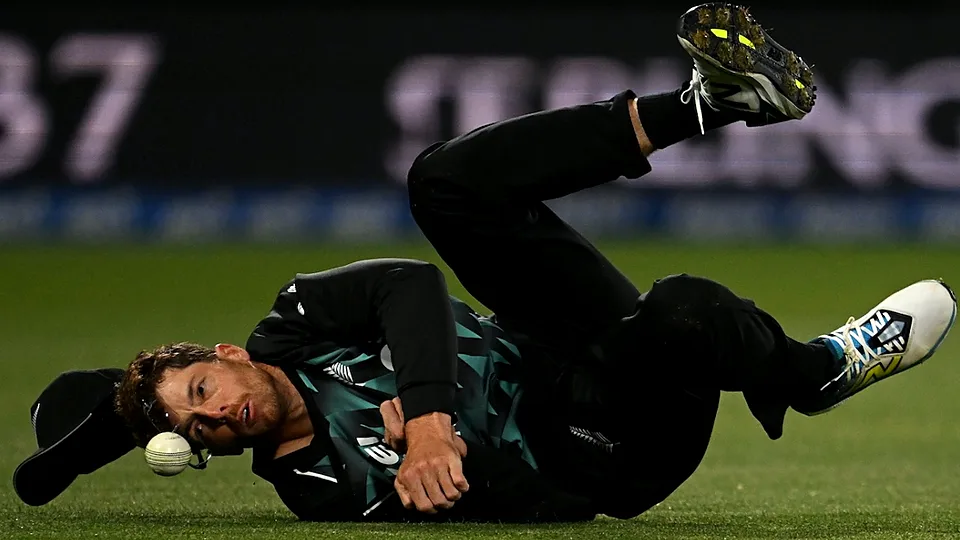
India hit 176 off 162 balls to close out 181. That’s the scoreboard. But the real story lived in the gaps between the creases, where two dropped catches and a misfield unraveled New Zealand’s grip on the game. Santner walked into the post-match interview smelling of that defensive stench. He didn’t pin the loss on the batting collapse at 70 for 5. No, he pointed squarely at the fielding. 'We were in a very good position,' he admitted, his voice flat, lacking the snap a winning captain projects. The errors were costly. Fatal, actually. And on a pitch that rewards aggression, they were unforgivable.
The Anatomy of a Collapse
Let’s dissect the middle overs. India were staring at 70 for 5. The dew factor hadn’t even kicked in yet—usually, that’s an 8:30 PM IST phenomenon at this venue, where the leather gets sticky and the skiddy hard-length from the new ball becomes lethal. But this match was about boundaries, not slow grinding. New Zealand’s field placement was standard, yet their execution was sloppy. A catch at short square leg, a routine shot, was dropped. Then another, under pressure, with the boundary-percentage ticking up. The fielders looked disjointed. Santner’s leadership in the field didn’t inspire the kind of tightness needed to strangle a chase.
- The First Drop: A soft pull shot, taken off the back foot. The New Zealand wicket-keeper and slip cordon were in position. It was a gift that was refused.
- The Misfield: A bouncer that should have hit the ground and rolled back. Instead, it bounced wide, giving the batter room to rotate. That single error let India add 30 runs off the next five balls.
- The Impact Player Gamble: New Zealand brought on a fresh quick for the last over. A smart call? Probably. But the batter he faced was already settled. The substitution didn’t fix the fielding lapse; it just highlighted it.
Indian cricketers thrive on momentum. Once they recover, they accelerate. It’s a psychological advantage born from the Ranji grind, where batting discipline is drilled into every district-level team. New Zealand’s fielders lacked that defensive instinct. They were playing for the wicket, not the run-rate. In the IPL era, that’s a rare mistake, and a costly one.
Why New Zealand Struggles With Indian Batting Power
There’s a narrative that New Zealand’s slow, strategic approach works against fast bowlers. But against Indian batters who can hit square on every end, the strategy fails. The pitch here was a track that held the ball up, allowing the batters to time it into the gap. Bowling into the pitch, a tactic that usually stifles, simply wasn’t an option. You had to hit hard, and the Indian batters did exactly that. Santner’s rueing of the fielding errors is valid, but it misses a larger point: the bowling attack was too static. They needed variety, not just tight lines.
Data from recent T20 International matches shows that teams with high boundary-percentage in the first ten overs of a chase win 65% of the time. India crossed that threshold early. The new ball did the talking for New Zealand’s first spell, but the error in the field negated any advantage. As noted by the Hero11 team in their latest analysis of fielding errors in T20Is, one dropped catch in the middle overs reduces a team’s win probability by nearly 12%. In this match, two drops and a misfield created a 20-run swing. That’s not marginal. That’s decisive.
The Playing XI Dilemma
Looking at the pre-toss setup, New Zealand likely debated keeping a specialist keeper or fielding specialist. They kept the standard XI. The Impact Player rule should have allowed them to swap a batsman for an extra fielder in the middle overs. They didn’t. Or they did, but the fielder didn’t have the wicket-keeping or slipping skills to take the catches. It’s a pre-toss Playing XI dilemma that costs points. You can’t just throw bodies at the problem; you need the right kind of bodies.
India’s recovery from 70 for 5 wasn’t just about power. It was about composure. The left-right batting pairs were set up to counter the wrist-spin that New Zealand relied on. When the spinner came on, the batters didn’t get beaten on the leg side; they timed it off the pitch. The boundary dimensions at this ground are generous—64 yards to point, 62 to square leg. That space makes dropped catches catastrophic. You don’t get a second chance when the ball is drifting toward the fence.
What Santner Gets Wrong
Santner’s post-match comments, while honest, place the blame too squarely on 'the small stuff.' The small stuff is important. But the big stuff—bowling lengths, tactical discipline—was equally flawed. A captain can’t just point at the fielders and move on. He owns the setup. The errors were a symptom, not the disease. The disease was a lack of aggression in the field that matched the aggression on the pitch. India saw it and pounced. New Zealand’s fielding collapsed, and the chase was on. 181 wasn’t chased; it was won, thanks to New Zealand’s own hands. A harsh truth, but a true one.
The sticky red-soil track at this venue favors batters who can clear the ropes. The dew factor will only make it harder for the fielders in future matches. Santner knows this. The question is whether he can coach a team that plays with the same intensity in the field as it does with the ball in hand. Right now, the gap is too wide. And in T20 cricket, wide gaps get punished.
Related coverage
- New Zealand’s Fielding Slump vs India: Caesar Vip Casino Slots India Odds Analysis & T20 Preview
- Sai Out, Sarfaraz In: BCCI Rejigs XI for Sri Lanka, Fans Bet On Caesar Vip Casino Slots India

Updated 2026-10-30 · Instant Rupee Deposits & 60s Withdrawals · 24/7 Support.
Access Official CaesarArts Portal →WPL & Franchise League Columnist · Mumbai Desk
Pallavi Sen reports on franchise leagues, the WPL, and domestic Indian tournaments for CaesarArts. Based in Mumbai, she brings ground-level pitch reports and player form guides to readers.
Reader Discussion & Match Reactions (6)4.7★ Community (6 Comments)
Verified Indian cricket reader perspectives & tactical debate on caesararts.com
Honesty is rare here, but let's not forget the BCCI's structural neglect of fielding drills for decades. Blaming Santner is weak when the setup is broken. India’s 176 off 162 shows the chase was tight, but New Zealand’s fielding was the only variable that actually mattered to the outcome.
The article ignores the grassroots impact. These high-pressure drops happened because state association fielding camps are still outdated. Watch the SMAT matches; if we don’t fix the basics at the junior level, these international blunders will keep repeating. The 70 for 5 moment shows why we need better nets infrastructure.
Let’s talk numbers: 176 off 162 balls means a required rate that becomes lethal once you miss catches. The 8:30 PM IST dew factor is a real governance risk if the pitch isn’t properly maintained. New Zealand’s fielding execution was sloppy, but the strike rate gap was the actual killer factor.
I appreciate the honesty, but this narrative is dangerous. It feeds into the myth that fielding is optional. India’s 176 off 162 balls was a perfect chase, not a fluke. Blaming only the drops ignores the fact that the batting team simply executed the game plan perfectly in every single over.
Grassroots players in Guwahati are still struggling with basic catch technique due to lack of proper coaching facilities. The article mentions the two dropped catches, but it doesn't highlight how many local leagues are running without qualified fielding coaches. This gap is becoming a national liability.
@Rajesh_Bhatia Valid point on the setup, but the specific drop at short square leg was avoidable. The bouncer misfield that should have rolled back cost them dearly. India’s 176 off 162 balls shows the pressure was on, but the execution failure was purely New Zealand’s fault.
Join the Discussion (6 Reader Comments)
Related Articles
See All
Ireland Beat India, And The Question Is Whether It Was A Fluke Or A Sign
Jul 8, 2026
Jennings hopes match
Jul 28, 2026