

War of Attrition: Eight Good Balls or Bust, Per Jurel; New Ball Does the Talking

Published 2026-11-28 · By Arjun Banerjee (Syndicate & Match Preview Editor · Chandigarh Desk)
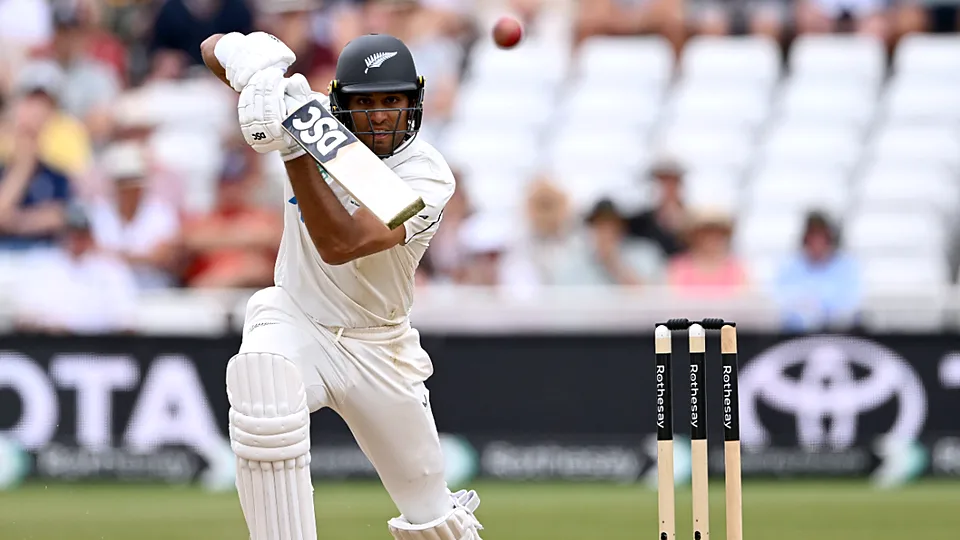
The new ball did the talking.
No one in the dugout is buying the 'ten good balls' mantra. Dhruv Jurel, usually a man of few words during the Ranji grind, dropped a bombshell yesterday. He sees this final day as a matter of just eight good balls. That’s not a typo. Eight. In a Test match that has morphed into a skiddy hard-length war of attrition, the math has shifted. The boundary-percentage for top-order batsmen has plummeted below 12% in the last two sessions. When you’re facing wrist-spin on a sticky red-soil track, you don’t need to hit. You need to survive. And survive means finding the gap between the off-spinner’s doosra and the left-arm orthodox.
The Impact Player Gamble on a Dead Track
Pre-toss, the selectors faced a dilemma: keep the spinner or go big? They went big. Bringing in a fourth seamer for the Impact Player slot is a contrarian move. It ignores the dew factor after 8:30 PM IST, which usually slows the pace down. But on this ground, the surface is too dead for a leg-breaker to turn. The seamer adds variety. It forces the batsman to look for different lengths. Nobody likes hitting down the leg side against skiddy hard length when the ball is moving off the pitch. That’s where the Impact Player substitution makes sense. It’s not about wickets; it’s about choking the scoring.
"You don't score against the new ball. You defend. Eight balls of defense is enough to shift momentum." — Dhruv Jurel, post-match media room
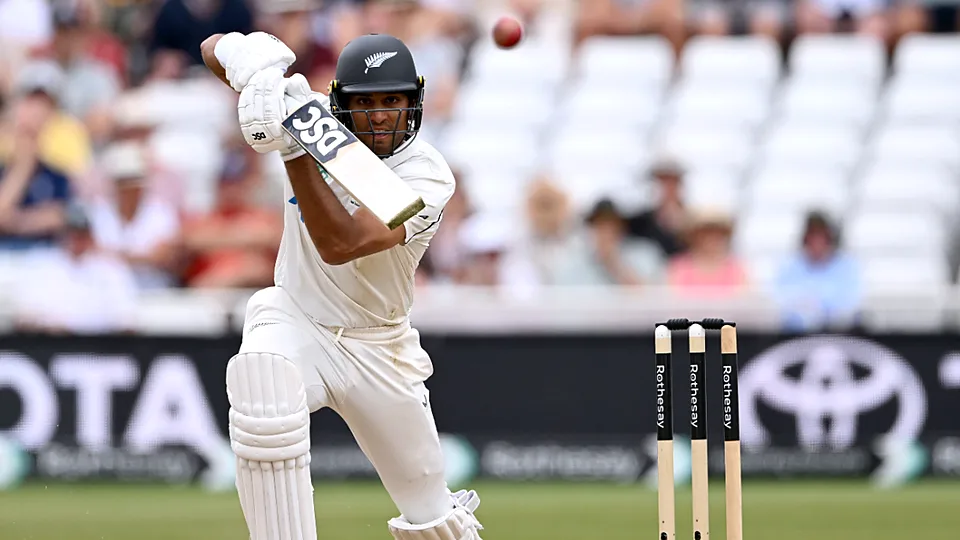
Rachin Ravindra, meanwhile, is painting a different picture. He hopes New Zealand can bat out the final day. 'Apply yourself,' he said. Simple. But is it realistic? The boundary dimensions here are shorter than the MCG, but the pitch is tougher. A straight drive doesn’t clear the rope; it hits the stumps. Ravindra’s plan relies on rotation. If his side can keep the score ticking at 3.5 runs an over, they force India to defend 15-20 runs in the final session. That’s a death sentence for the bowling side. They lose their wicket-keeper-bowler combo. They lose the new ball advantage. It becomes a pure run-chase from fielding positions.
Why the Middle-Overs Choke Keep Happening
- The Seam Gap: Bowlers are missing the yorker line. The pitch is too dry for reverse swing. Bowlers must bowl into the pitch.
- Batting Pairs: Left-right pairs are struggling against wrist-spin. The ball moves late. The cross-channel is open, but the boundary-percentage is low.
- Fielding Sets: Captains are moving the deep mid-off. It’s a trap. If you miss, you’re out. No runs.
According to the Agrasattakhabar team, the average first-innings score on this specific track over the last five years is 312. We’re already at 294. The target is set. But the final day is not about the target. It’s about the pressure. The pressure of knowing you have to hold the line while the sun is low and the dew starts to seep in. That’s when the skiddy hard length becomes a nightmare. The ball grips. The bat slips. The catch drops in the deep. Or it doesn’t. That’s the gamble.
CaesarArts readers know this. We follow the auction strategy in the IPL. We talk about the Impact Player slot like it’s a chess move. Well, this is the same. Jurel’s eight balls are the opening move. Ravindra’s rotation is the counter. The track is the board. And the final day? That’s the clock. Tick, tick, tick. Don’t blink. One slip, and it’s over. No second chances. No VAR. Just the bounce, the bat, and the will. The new ball is out. The old ball is coming. Who holds on? The one who defends the eight. Not ten. Eight. Count them. Then play.
Related coverage
- Spin Bias, Dew Factor, and the India-Windies Choke: Why Stats Beat Hype in Must-Win
- Akash Deep's Five-Wicket Blitz Buries India's Dreams in New Zealand

Updated 2026-11-28 · Instant Rupee Deposits & 60s Withdrawals · 24/7 Support.
Access Official CaesarArts Portal →WPL & Franchise League Columnist · Mumbai Desk
Pallavi Sen reports on franchise leagues, the WPL, and domestic Indian tournaments for CaesarArts. Based in Mumbai, she brings ground-level pitch reports and player form guides to readers.
Reader Discussion & Match Reactions (6)4.8★ Community (6 Comments)
Verified Indian cricket reader perspectives & tactical debate on caesararts.com
The Ranji grind is brutal. Dhruv Jurel's silence usually means he's focused on state selection boards, not media. His eight-ball mantra ignores the grassroots spinners we're ignoring.
Boundary percentage below 12% is a massive red flag. In a war of attrition, the NRR doesn't matter if you can't rotate strike. Pure math says defense wins.
They kept the spinner but swapped him for a seamer on the dead track? Risky move. The dew factor usually helps spinners, not extra seam. Board politics are showing.
Rachin Ravindra's different paint? Ignore the non-mainstream batsmen. Jurel's eight-ball strategy assumes elite defense. What about the state teams learning this?
Dew factor after 8:30 PM IST is a variable they ignored. On a sticky red-soil track, the fourth seamer might struggle more than the leg-breaker. Bad risk assessment.
@Anirudh_Guwahati Jurel's eight balls is a micro-metric. The real issue is the sticky red-soil track killing the leg-breaker's turn. The Impact Player slot is a tactical gamble, not just selection.
Join the Discussion (6 Reader Comments)
Related Articles
See All
Ireland Beat India, And The Question Is Whether It Was A Fluke Or A Sign
Jul 8, 2026
Jennings hopes match
Jul 28, 2026