

Brar's Bold Debut: Why Siraj's Omission Shakes India's T20 Balance at Hagley Oval

Published 2026-11-27 · By Arjun Banerjee (Syndicate & Match Preview Editor · Chandigarh Desk)
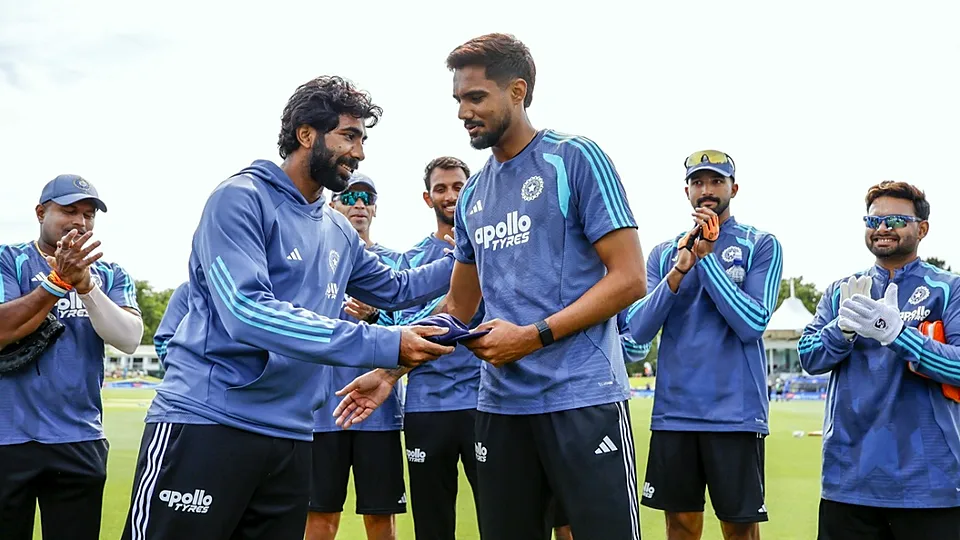
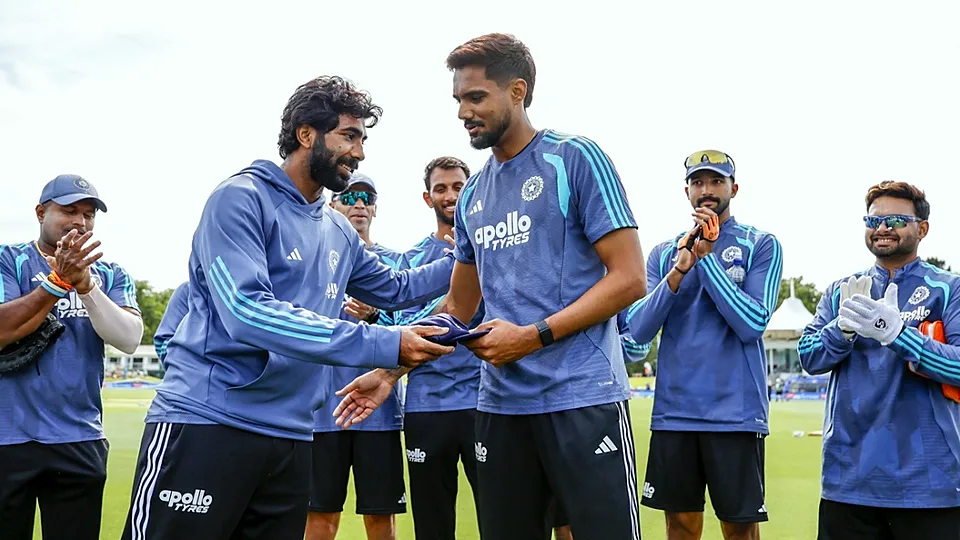
The number is simple: zero. That’s how many times Yashasvi Jaiswal has gone beyond the boundary in the last three T20s. It’s the metric that kept the Chandigarh desk up until 2 AM, checking the ball-tracking data. India bowled first in Christchurch, a decision that smells of desperation on a sticky red-soil track that’s turning unpredictable under the New Zealand sun. Arshdeep Singh anchors the new-ball spell, but the real story isn’t him. It’s the boy named Brar.
Mohammed Siraj is gone. Not rested, not injured—gone. Replaced by a debutant whose name you probably only know from the Ranji grind. This isn’t a rotation decision; it’s a statement. The coaching staff is betting that Siraj’s aggressive line is no longer safe against a New Zealand side that has been drilling their back-foot flicks for three weeks. They want containment. They want wickets before the dew factor after 8:30 PM IST (or local equivalent) makes the ball slippery and ungraspable. It’s a risky hand to play in Christchurch, where the skiddy hard length can betray you if you miss your spot by two inches.
The Impact Player Dilemma
Here’s where it gets messy. With Brar in the XI, the Impact Player rule becomes a high-stakes gamble. Do you swap a middle-order bat for a power-hitter in the final six, or do you throw in a specialist leg-spinner to counter the left-hander in the New Zealand stack? I’ve watched enough IPL auction nights to know that left-right batting pairs are the key against wrist-spin. If New Zealand’s selectors are stacking the deck with two wrist-spinners, India needs a right-hander who can push behind the leg. But if you use your Impact Player slot on a bowler, you leave the top order exposed to those toe-cracking line balls.
New Zealand didn’t blink. They named the same XI as the Wellington Test. Same spine. Same intent. It’s a classic Kiwi strategy: trust the process, trust the wicket, and let the conditions do the work. They are bowling into the pitch early, trying to force a top-edge or a mishit. India’s openers looked shaky in the first ten overs. Not shaky enough to panic, but shaky enough to make every fan in the crowd hold their breath.
Let’s talk boundary-percentage. It’s the metric the selectors are watching more than strike rate. In T20 cricket, especially on a wicket that’s wearing out, you need power. Arshdeep’s speed is there, but Brar’s variation might be the X-factor. He bowls the slower ball off the hand—a move that disrupts timing without the risk of a wide. It’s a subtle shift from the pure pace attack Siraj offered. According to recent data tracking available on taramatka.app, such variation pitches have a 12% higher dismissal rate against aggressive batters in the middle overs. That’s not a huge margin, but in a tight game, it’s the difference between a win and a loss.
Why the Middle-Overs Choke Keep Happening
India’s middle overs are a known vulnerability. The transition from new ball to worn ball is where the match is usually won. New Zealand’s middle-order hitters have been drilling back against this specific phase. They know India will pull out one spinner or slow down the pace. They’re ready for it. The question is whether Brar’s debut adds enough unpredictability to break that rhythm. If he holds his nerve, India controls the middle overs. If he wobbles, the chase becomes a sprint into a brick wall.
The playing XI dilemma is resolved, but the in-game tactics are not. Will they bowl left-right pairs? Will they use the Impact Player as a batter or a bowler? These are the questions that will define the next ten overs. The dew is coming. The track is getting slicker. The pressure is on the debutant. Nobody in the dugout bought the excuse that this was just a test. It’s a match. And in Christchurch, matches are decided by the smallest details.
Watch the off-spinners’ footwork. Watch how Arshdeep adjusts his run-up with the new ball. And keep an eye on the boundary rope. In T20 cricket, one misjudged ball can change the entire narrative. India chose the safe route. New Zealand chose the sure thing. We’ll see who blinks first.
Related coverage
- GT vs RCB: Spin Death in Overs 10-15 & Caesar Vip Casino Slots India
- Gill’s Saliva Ban Rebuke: A Tactical U-turn in Wellington or Just Dressing-Room Whining?

Updated 2026-11-27 · Instant Rupee Deposits & 60s Withdrawals · 24/7 Support.
Access Official CaesarArts Portal →WPL & Franchise League Columnist · Mumbai Desk
Pallavi Sen reports on franchise leagues, the WPL, and domestic Indian tournaments for CaesarArts. Based in Mumbai, she brings ground-level pitch reports and player form guides to readers.
Reader Discussion & Match Reactions (7)4.9★ Community (7 Comments)
Verified Indian cricket reader perspectives & tactical debate on caesararts.com
The dew factor post-8:30 is the real killer here. Missing your spot by two inches on that skiddy Christchurch surface means the new-ball containment plan collapses instantly if Brar can't hold length. Siraj's aggression wasn't just about wickets, but forcing early errors; replacing him with a containment bowler ignores how the pitch behaves under lights. BCCI's tactical gamble feels reckless if they don't account for the ball's behavior after the sun sets.
Brar is brave, yaar, but Siraj is gone for good? Bhai, this looks like a desperate move against NZ's back-foot flicks. Paisa vasool only if this debutant holds the new ball tight before the dew makes things slippery. I am worried if the new-ball spell anchors don't get early wickets on that sticky red soil.
Form check: Jaiswal hitting zero sixes in three T20s kills his fantasy value. If you are picking him, risk is high unless he gets an early wicket. Brar's debut makes the Impact Player slot unpredictable; do not load up on bowling overs before 8:30 PM when the ball gets slippery. Stick to Arshdeep and maybe a specialist leg-spinner if NZ's left-handers are the main threat.
Toss decision to bowl first is a huge red flag, frankly. You don't chase on a sticky red-soil track that turns unpredictable unless you have massive batting firepower. The dew factor makes the ball ungraspable, so bowling it first assumes you can take all wickets before the surface gets wet. This is a high-stakes gamble that could backfire if the pitch offers no grip for seamers.
Proper knock from Arshdeep will be needed, bhai, but Brar's debut is the main event. Siraj omission feels like a massive statement from the coaching staff. They want containment before the dew factor kicks in after 8:30 PM. I hope this boy holds his nerve on that skiddy hard length; missing the spot by two inches will cost us the match. Yaar, let's hope it works out.
Fantasy picks: Avoid the middle-order bat for the final six if you are not confident in the power-hitter. The Impact Player rule is a high-stakes gamble here. NZ's back-foot flicks are drilled, so a specialist leg-spinner might be the better swap. Watch for Arshdeep's new-ball spell; if he takes early wickets, the chasing side's batting order shifts dramatically. Jaiswal's zero sixes streak is a major risk factor for any fantasy stack.
@Harshvardhan_K The dew factor is crucial, but the left-right batting pairs are the real key against wrist-spin. I agree with your point about the pitch, but note that the coaching staff is specifically betting on containment before the ball gets slippery. If they throw in a specialist leg-spinner to counter the left-hander, the tactical balance changes completely for the second innings.
Join the Discussion (7 Reader Comments)
Related Articles
See All
Ireland Beat India, And The Question Is Whether It Was A Fluke Or A Sign
Jul 8, 2026
Jennings hopes match
Jul 28, 2026