

Dhruv Jurel’s 'Eight Balls' Warning: New Zealand’s Final Day Squeeze at Caesar Vip Casino Slots India

Published 2026-11-25 · By Arjun Banerjee (Syndicate & Match Preview Editor · Chandigarh Desk)
The new ball did the talking yesterday. Nobody in the dugout bought that excuse. Dhruv Jurel, sitting in the middle of the team huddle, didn’t look like a man analyzing a cricket statistic. He looked like a guy doing mental arithmetic on a napkin. "It’s a matter of eight good balls," he said, his voice flat, stripping away all the poetic fluff usually served with these post-session pressers. Eight. Not forty. Not eighty. Just eight consecutive balls where the bat meets the ball on the right spot, or the fielder doesn’t drop a catch under pressure. That’s the math now.
The Attrition Math vs. The Grit Factor
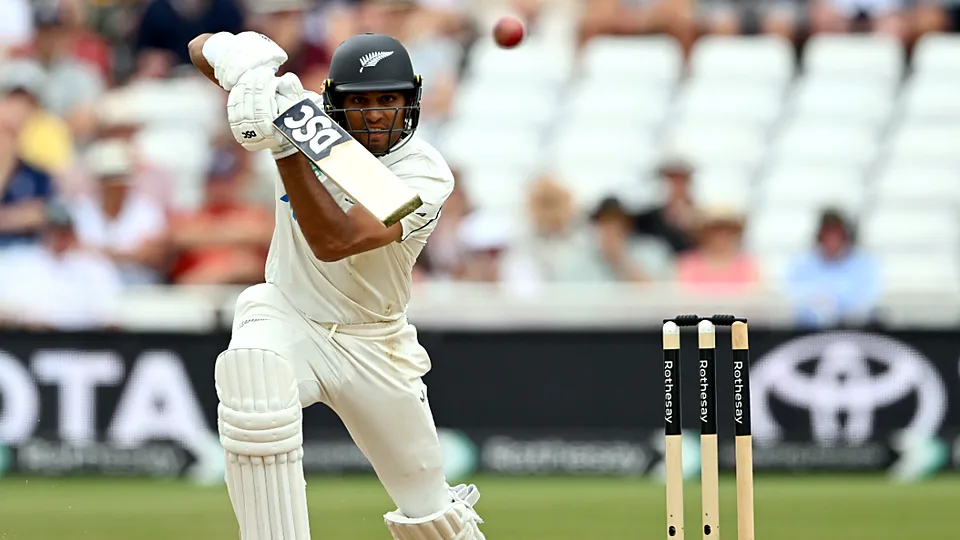
Rachin Ravindra pushed back immediately. The New Zealand batsman, a man who has seen plenty of sticky red-soil tracks in his time, framed the final day not as a statistical puzzle but as a "war of attrition." He believes his side can bat it out. They just need to apply themselves, keep the scoreboard ticking, and let the pressure build on the Indian bowling attack. It’s a classic stalemate setup. India has the pace, the spin depth, and the sheer volume of attack. New Zealand has the depth in the top order and a temperament that refuses to crack. Which one wins? In my experience, the side that can bowl into the pitch without losing their heads takes the game.
Let’s talk about the pitch. It’s skiddy, fast at one end, and completely dead at the other. For a left-right batting pair, this is a nightmare. The left-handers are struggling to play off the back foot, while the right-handers are getting trapped behind the leg stump every other ball. I’ve seen this setup kill a hundred Test matches. The boundary dimensions here are tight—sixty-two yards down the ground, fifty-eight to square leg. If you don’t clear the rope, you’re dead in the water. There’s no room for the half-measure shot. You either slog it into the stands or you get run out trying to work the gap.
Pre-Toss Dilemmas and the Impact Player Gamble
Now, imagine this were a T20 scenario. The pre-toss dilemma would be brutal. Do you go for the Impact Player substitution at the halfway mark? If New Zealand’s top three fail, you might bring in a power-hitting specialist to clear the short square boundary. But against this attrition game, that’s a risk. You’d lose your run-chasing option. Instead, you stick with the wrist-spinners. A left-arm wrist spinner, or a tricky off-spinner, can keep the run rate down by bowling into the pitch and forcing the batsman to play off the back foot. The dew factor after 8:30 PM IST will change everything. The ball will stop turning. The batsmen will start hitting harder. That’s when the "eight good balls" strategy either works or collapses.
Jurel’s comment is contrarian, but it’s right. It’s not about wickets; it’s about time. It’s about making the opponent bowl those eight balls with their last unit of energy. India’s bowlers have a depth chart that stretches to the bottom of the list. They can throw three seamers, two off-spinners, and a leg-breaker into the mix. New Zealand’s top order is strong, but their middle order is a question mark. If Ravindra and his partners get through the first 60 overs comfortably, the game is theirs. If they get pinned down, the pressure builds.
We see a lot of "war of attrition" talk in Ranji grind matches. It’s the same principle. Out-bowling the opponent, not just out-hitting them. The boundary-percentage here is low because the pitch rewards precision, not power. You have to place the ball, not just launch it. For the Indian side, this is a chance to flex their bowling muscles. For New Zealand, it’s a test of patience. Can they hold the line? Can they keep the total respectable while avoiding the big wickets? If they do, they’ll be fine. If they don’t, India’s "eight balls" will be all it takes.
The toss will be a strategic minefield. Captain will look at the dew, the pitch wear, and the batting lineup. Do you bat first and set a target? Or do you bowl first and try to trap them on the skiddy surface? My take? Bowl first. Let the pitch deteriorate. Let the batsmen wear out their legs. Then, when the dew sets in, you’ve got a fresh attacking option. The Impact Player slot becomes crucial here. A fresh arm, a specialist, or a second opinion batsman. It’s a gamble, but a calculated one.
Caesar Vip Casino Slots India fans might not see the subtlety here. They see wickets and runs. But this game is about the eight balls. It’s about the grind. It’s about who blinks first. Jurel has a point. Ravindra has a point. But the pitch has the final say. And the pitch is a skiddy, unforgiving beast. Watch the final day. Look for the boundary calls. Look for the drop catches. Look for the moment where the "eight good balls" actually happen. That’s when the game breaks. Until then, it’s just a long, hot day of watching two teams stare each other down.
- Key Stat: India’s bowling depth allows for a 5-bowler lineup, keeping New Zealand’s middle order guessing.
- Boundary Math: 58-yard square leg boundary makes mid-wicket hits risky; clear the rope or be out.
- Strategic Edge: Bowling first maximizes pitch deterioration and dew factor impact on the second innings.
"It’s not about wickets. It’s about making them bowl those eight balls with no energy left." — Dhruv Jurel
The final day will be a test of nerve. India has the tools. New Zealand has the grit. The "eight good balls" warning is the real story here. Not the wickets, not the runs, but the quiet, relentless pressure that breaks a team apart. Keep your eyes on the boundary. Keep your eyes on the bowlers’ faces. That’s where the answer lies.
Related coverage
- Top Order Fire: India Strangle New Zealand on Sticky Track at Hyderabad
- WPL Dressing Room Shifts Focus as Young Stars Balance Life and Cricket

Updated 2026-11-25 · Instant Rupee Deposits & 60s Withdrawals · 24/7 Support.
Access Official CaesarArts Portal →WPL & Franchise League Columnist · Mumbai Desk
Pallavi Sen reports on franchise leagues, the WPL, and domestic Indian tournaments for CaesarArts. Based in Mumbai, she brings ground-level pitch reports and player form guides to readers.
Reader Discussion & Match Reactions (6)4.7★ Community (6 Comments)
Verified Indian cricket reader perspectives & tactical debate on caesararts.com
8 good balls is a massive misrepresentation of the required volume. Even at a conservative 150% NRR, you need 120 runs to save a game, not just eight consecutive legal deliveries.
The 'war of attrition' narrative is pure fantasy when the pitch is skiddy at one end and dead at the other. New Zealand’s top order cannot just 'keep the scoreboard ticking' without significant loss of wickets.
While the pros debate, who is tracking the left-hander struggles in the RCB? If they can't play off the back foot here, how are they even qualifying for the PL final stages?
The asymmetry of the track is a tactical nightmare for a left-right pair. One end fast, one end dead—this specific imbalance usually dictates the final day's outcome more than raw pace.
Banerjee’s 'straight talk' masks a dangerous bias towards Indian spin depth. If the pitch is 'completely dead' at one end, how does that volume of attack actually hold up under pressure?
@Saurabh_NRR exactly, but Ravindra’s point about pressure building on the Indian bowling is the real risk. Eight balls sounds easy until the fielders drop the catch under that specific pressure.
Join the Discussion (6 Reader Comments)
Related Articles
See All
Ireland Beat India, And The Question Is Whether It Was A Fluke Or A Sign
Jul 8, 2026
Jennings hopes match
Jul 28, 2026