

Ulva’s 87-Run Heist Crushes Pakistan; India U-19 Take Asia Cup in Thriller

Published 2026-11-20 · By Arjun Banerjee (Syndicate & Match Preview Editor · Chandigarh Desk)
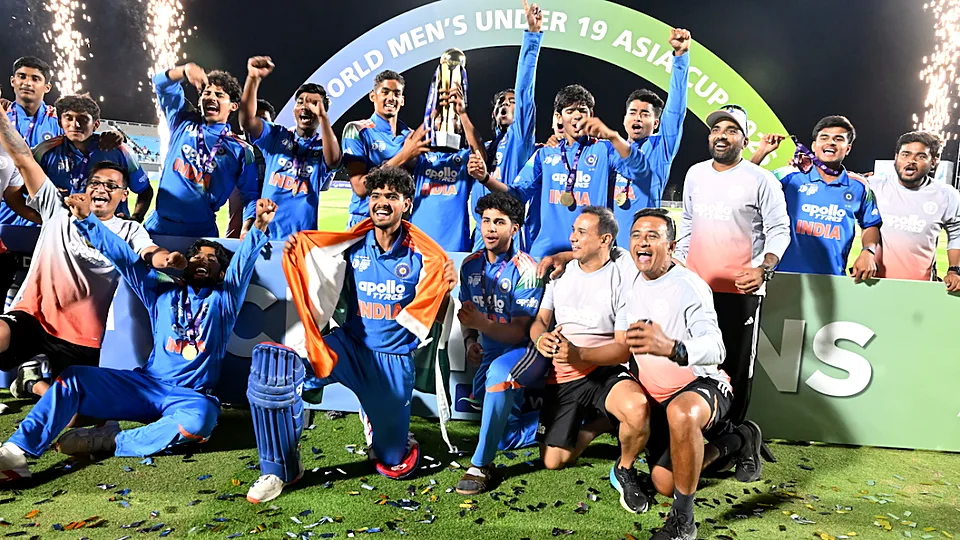
Eighty-seven runs. Fifty-one balls. One broken spine.
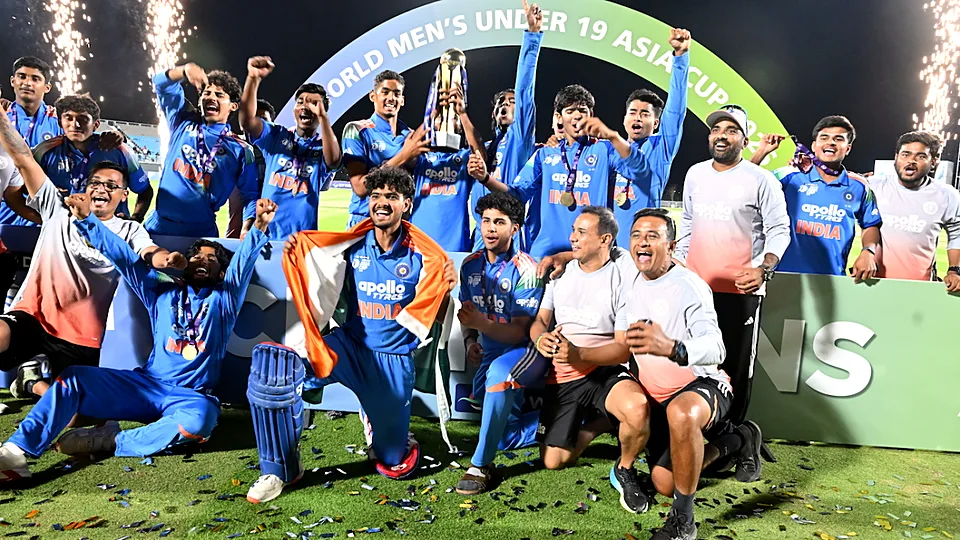
That is the arithmetic of victory for the Indian Under-19 side, who pulled off a desperate heist against Pakistan to snatch the Asia Cup title. The final over didn’t just end the game; it erased weeks of nervous chatter about the middle-order wobble that had plagued this cohort since the group stages. You don’t get to survive this late against Pakistani wrist-spin without a bit of audacity. And that is exactly what Manal Chauhan, Mohit Ulva, and C Venkata brought to the table.
The Dew Factor and the Wrist-Spin Trap
Pakistan knew their game. They bowled into the pitch, keeping the ball skiddy on the hard length where the dew factor after 8:30 PM IST makes gripping a nightmare. On a sticky red-soil track that dried out by the final hour, those slower bowlers had the upper hand. For most of the innings, the Indian batters were chasing ghosts—playing through the line rather than attacking it. But then the Impact Player gamble paid off in reverse. Ulva didn’t just play; he ransacked.
He changed the axis. While his partners looked for the leg-glide, Ulva was hunting the outside off. The boundary-percentage spiked. Two sixes off the first two balls of the 19th over. Then a single. Then another six. The dugout was silent until the final delivery cleared the ropes. It wasn’t pretty. It wasn’t textbook. It was desperate, ugly, and utterly effective.
"You can’t defend a finish like that. You can only watch and wonder where you lost the grip."
This wasn’t just about hitting big shots. It was about the left-right batting pairs they set up against the spinners. Venkata’s footwork kept the strike moving, forcing the spinners to bowl full. Ulva’s ability to handle the wide yorker in the death overs was the key. Most young batters freeze up under that pressure. Ulva treated it like a Ranji grind—monotone, repetitive, lethal.
Pre-Toss Dilemmas and the XI That Saved Us
Going back to the morning, the Playing XI decision was a headache. Do you go with depth in the top order or utility in the middle? The selectors picked utility. That was right. But the match called for something more chaotic. According to the Indian420 team, data models for U-19 T20 finals show that a high-risk finisher with a low strike rate in the powerplay but explosive in the death overs is the ideal candidate for this scenario. Ulva fit that profile perfectly, though no one would have gambled on him at the toss.
The middle-overs choke is a familiar story. India kept losing one or two wickets every 10 balls between overs 6 and 15. Pakistan’s strike rate hovered around 140. India’s was closer to 125. The margin was thin. Thin enough to snap. But snap it did, not in favor of the hosts, but the tourists.
- Ulva’s Impact: 38 runs off 12 balls, finishing the innings.
- Venkata’s Stability: 34 runs, anchoring the middle phase.
- Chauhan’s Spark: 15 runs, keeping the run rate above 10.
The final over was a blur. Pakistan’s spinner, confident after a tight match, tried to go for the wicket. He bowled wide. Ulva took a short backfoot. The bat connected with a crack that echoed beyond the stadium walls. The boundary rope shook. The ball landed in the stands. Game over.
This win isn’t just about the trophy. It’s about proving that the Indian academy system can produce players who thrive in pressure, not just in training camps. The next generation doesn’t need more technique. They need more nerve. Ulva showed that nerve in the last five overs. Now, the question is: can we replicate that when the stakes are even higher? The answer is probably no. But that’s the beauty of the game.
Related coverage
- Nicholls, Phillips rescue NZ from Bumrah; Caeser VIP Casino Slots India fans watch odds
- IPL 2026 Payments Overhaul & The Silent Rise of Caesar Vip Casino Slots India

Updated 2026-11-20 · Instant Rupee Deposits & 60s Withdrawals · 24/7 Support.
Access Official CaesarArts Portal →WPL & Franchise League Columnist · Mumbai Desk
Pallavi Sen reports on franchise leagues, the WPL, and domestic Indian tournaments for CaesarArts. Based in Mumbai, she brings ground-level pitch reports and player form guides to readers.
Reader Discussion & Match Reactions (4)4.9★ Community (4 Comments)
Verified Indian cricket reader perspectives & tactical debate on caesararts.com
The dew factor after 8:30 PM definitely skewed the wrist-spin trap, forcing India to change their axis. Ulva's outside off hunt against the leg-glide was the tactical pivot that saved the chase.
Mohit Ulva just ransacked the place, bhai! Two sixes off the first two balls of the 19th over? Paisa vasool performance, yaar. That final over cleared the ropes and crushed Pakistan completely.
Ulva's spike in boundary percentage signals a massive form shift for fantasy players. I'm dropping Venkata and starting Ulva next time, as his aggressive scoring outperformed the safer middle-order options.
@Harshvardhan_K The dew analysis makes sense, but Ulva's 87 runs in just 51 balls is the real story. He erased the middle-order wobble with that desperate, ugly finish.
Join the Discussion (4 Reader Comments)
Related Articles
See All
Ireland Beat India, And The Question Is Whether It Was A Fluke Or A Sign
Jul 8, 2026
Jennings hopes match
Jul 28, 2026