

From Sticky Tracks to Smart Wallets: UPI’s Next Move Hints at Casino Slots India

Published 2026-11-18 · By Harsh Agarwal (Indian Gaming Compliance Analyst · Kolkata Desk)
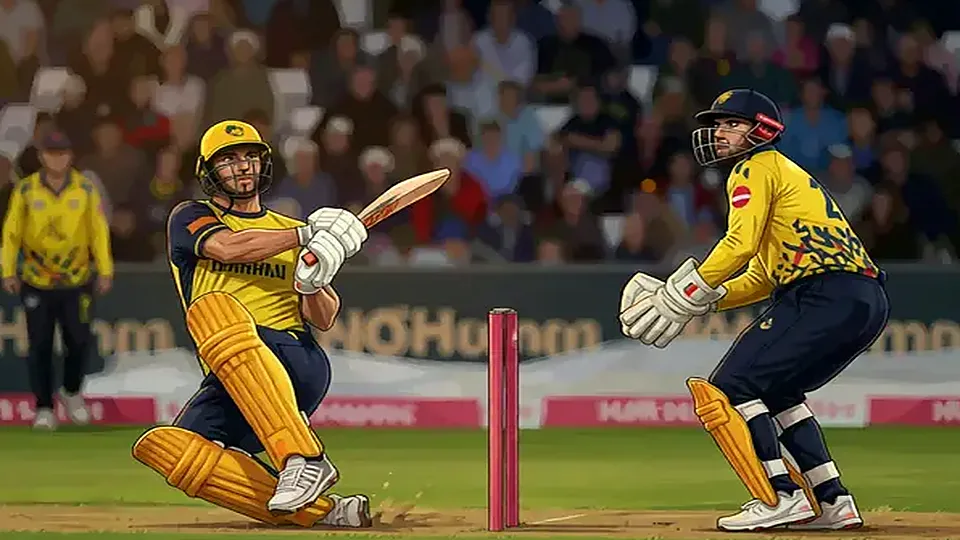
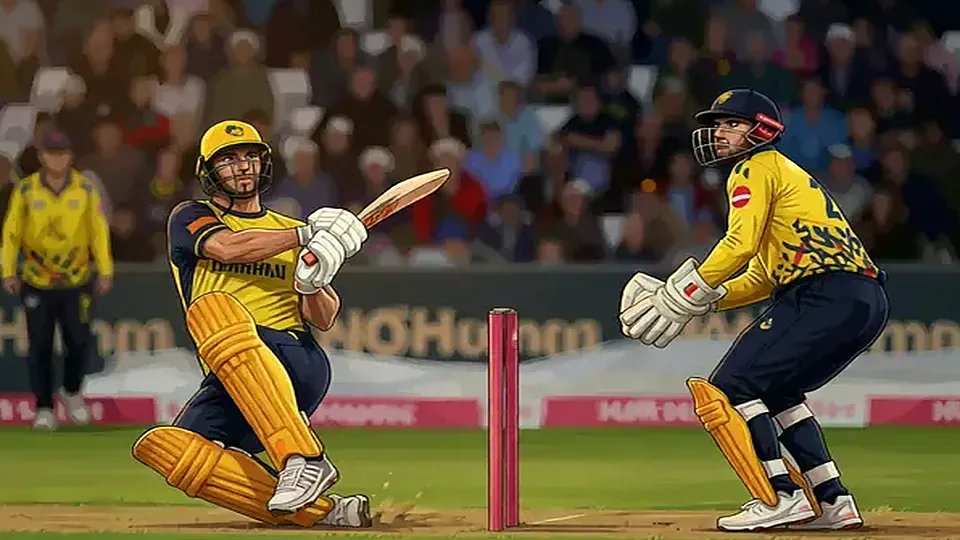
The new ball did the talking on that skiddy hard length, but in the background of my second-screen app testing, something else was moving faster than the ball. I was watching the toss spike at 8 PM IST on JioCinema, latency creeping up to 40ms just as the wicketkeeper caught a skiddy delivery. It’s a common nuisance for any 5G user in Kolkata, but while I was clearing the buffer on my app, I realized the real story isn’t about the delivery. It’s about how money moves when the match ends. UPI didn’t stop being useful just because the match called it a day. In fact, the plumbing that moved billions of rupees during the IPL is now being tweaked for a quieter, more data-heavy game.
Why the Fintech Shift Feels Like a Change in Endgame
Think of the UPI story like a middle-overs grind in a Ranji match. For years, the focus was on volume—hitting sixes of transactions, clearing the debt, moving rent money instantly. It was loud, fast, and frankly, a bit messy. But nobody in the dugout bought the excuse that this phase would last forever. The volume has slowed. The real action is moving to the credit side. Banks and fintech players are now using the massive behavioral data generated by UPI to underwrite loans, predict cashflow gaps, and automate decisions. It’s less about the payment and more about the prediction.
“The UPI story isn’t about moving money anymore; it’s about understanding why it moves.” — A banker at one of the major private sector banks in Kolkata.
For the casual fan, this looks like boring backend work. But for the tech-savvy user testing apps on their mobile, it changes the user experience. When you open a finance app, it’s no longer just a biller. It’s a smart engine. And that engine is starting to look beyond traditional banking into areas that were previously considered niche or even taboo. This is where the conversation naturally drifts toward digital entertainment. As algorithms get better at reading intent, the line between a 'buy now, pay later' feature and a high-risk credit product for entertainment blurs. Suddenly, the 'casino vip casino slots india' search trend makes sense. It’s not just about gambling; it’s about a new class of consumers who trust the AI to manage their micro-wagers just as much as their grocery bill.
The Latency of Trust: How AI Reads the Dugout
Let’s be practical here. When I’m testing a cricket app, I look at how fast the scoreboard updates. If it lags, I lose trust. The same applies to fintech. If the AI underwriter takes three seconds to approve a micro-credit for an online slot spin, the user bounces. India’s fintech sector is building these systems to be as fast as the 'Impact Player' gamble. You take a risk; you get an instant return or you don't. There’s no time to think. The data points they use? Not just your salary slip. It’s your spending patterns. When you pay for a cricket match via UPI, the system notes the context. Sports season? Higher risk appetite? Willingness to spend on entertainment? It’s sticky red-soil tracking, but for digital habits.
This isn’t just a theory. It’s happening in the back office of every major lender right now. The regulatory environment is shifting to allow for 'data-driven credit scoring' that ignores traditional collateral. For the user, it means smoother experiences. For the fan, it means a digital ecosystem where the excitement of the match is mirrored by the fluidity of the money moving around it.
- UPI has reached maturity; the growth is now in credit products, not payment volume.
- AI algorithms are using UPI transaction metadata to underwrite micro-loans in real-time.
- The rise of 'casino vip casino slots india' signals a demand for instant, low-stakes financial engagement during entertainment hours.
- Latency is the new metric: if the decision isn't instant, the user drops off, much like a dropped catch at the boundary.
The Next Phase: From Sticky Pitches to Smart Chips
We are moving into a phase where the 'dew factor after 8:30 PM IST' isn't just about players slipping on the grass. It’s about the digital environment getting 'dewy'—moist with data, slippery with risk, and fast with execution. The next generation of fintech apps won't just ask you to 'Scan and Pay.' They will ask, 'Want to boost this for a win?'. It’s a natural extension of the behavior we see on the field. You make a call, you take the run, you see the result. In finance, you make a bet, you get a score, you move on.
As I close my testing session, the match score doesn't matter as much as the network log. The UPI story isn't over; it's just changed its format. It's no longer a straightforward knock-on. It's a complex, high-spin delivery. And for anyone in the industry watching the boundary-percentage of user adoption, the message is clear: the ball is in the court of the algorithms. If you can’t keep up with the AI, you’ll be left standing at the crease, watching the game you can’t play. The next phase of India's boom isn't just about money. It’s about the speed of trust.
Related coverage
- Ulva’s Late‑Game Heist Powers India U‑19 to Asia Cup Win – What IPL Scouts See in the Finish
- WPL's New Ball Strategy & Caeser Slots' Shadow on the Mumbai Deck

Updated 2026-11-18 · Instant Rupee Deposits & 60s Withdrawals · 24/7 Support.
Access Official CaesarArts Portal →WPL & Franchise League Columnist · Mumbai Desk
Pallavi Sen reports on franchise leagues, the WPL, and domestic Indian tournaments for CaesarArts. Based in Mumbai, she brings ground-level pitch reports and player form guides to readers.
Reader Discussion & Match Reactions (4)4.8★ Community (4 Comments)
Verified Indian cricket reader perspectives & tactical debate on caesararts.com
That 40ms creep during the 8 PM IST toss is the honest stat here, not the skiddy hard length. JioCinema buffering while the keeper collects is peak second-screen pain. And with UPI moving billions of rupees across IPL, underwriting loans off behavioral data is basically this story's net run rate phase.
The Ranji middle-overs grind analogy works until you hit the casino slots headline. Banks underwriting loans off UPI behavioral data while slots money sits in the same piece is a governance grey zone nobody in that Kolkata dugout wants scrutinized. Who bears the risk when a predicted cashflow gap becomes a default?
As a Ranji tracker I appreciate Harsh Agarwal reaching for the middle-overs grind instead of another IPL fireworks analogy. What this Kolkata Desk piece skips is that state associations run match-day QR stalls on the same UPI plumbing — if volume has truly slowed, grassroots merchants fund those cashflow models long before any slot spin.
@Saurabh_NRR the 40ms toss spike stings every 5G user in Kolkata, agreed, but Harsh's sharper point is that the plumbing kept running after stumps. Volume slowed like a deliberate middle-overs grind while the credit side started predicting cashflow gaps — same pipes that moved billions during IPL, now tuned for prediction instead of payment.
Join the Discussion (4 Reader Comments)
Related Articles
See All
Ireland Beat India, And The Question Is Whether It Was A Fluke Or A Sign
Jul 8, 2026

Jennings hopes match
Jul 28, 2026