

Kolkata Choke: India's Olympic Hopes Hinge On Cricket Final Tonight

Published 2026-11-10 · By Pallavi Sen (WPL & Franchise League Columnist · Mumbai Desk)
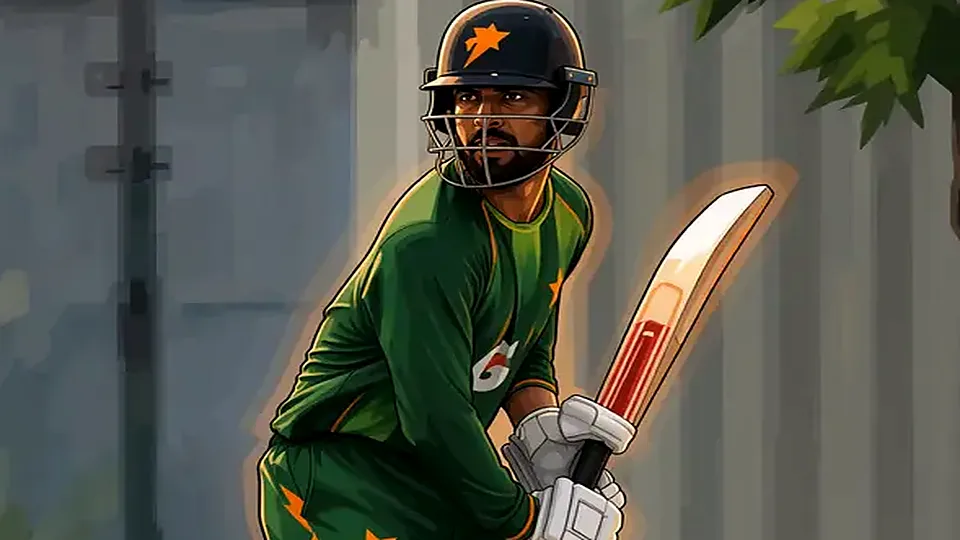
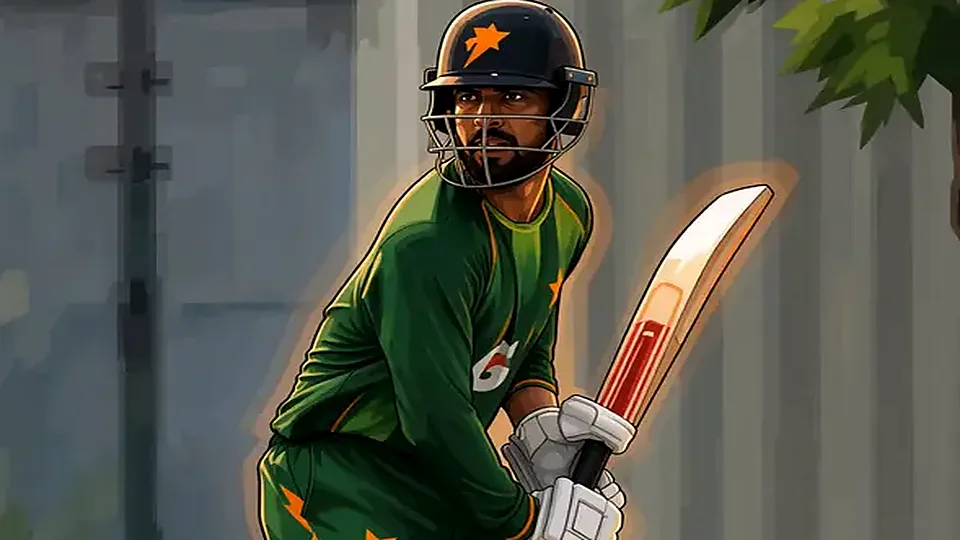
Three o'clock in Mumbai. The nets at Brabourne are already thick with the November humidity. It’s the kind of moisture that sits heavy on the chest, making the ball skid off the sticky red-soil track before it even reaches the pitch. I watched a young seamer from the state association bowl through two overs. His line was perfect. His length? A touch too long. The Impact Player gamble he made in practice—trying to swing the new ball—failed miserly. He looked at the coaching staff, shrugged, and reset. That’s the Ranji grind, compressed into a single evening session.
The Weight of the Final
Today, October 3rd marks a different kind of pressure test. The Asian Games 2026 cricket final is set for this week, a match that will define India’s summer. But the dressing-room chatter isn't just about wickets. It’s about the Olympic quotas lying dormant on the hockey and archery fields. While the crickters focus on their boundary-percentage in the final, the hockey midfielders are running drills that feel more like sprint finals. Nobody in the dugout is buying the excuse that these are separate games. The pressure is the same. The scoreboard is the only truth that matters.
"We train for the quiet days so we can survive the loud ones. The dew factor after 8:30 PM IST is your best friend and worst enemy. Respect both."
Speaking of dew, the evening schedule at the Glasgow venues (via streaming) has made the dew factor a tactical headache for coaches. Bowling into the pitch gets tricky when the surface stays tacky until the last over. For the archers, it’s a different beast entirely. One arrow, one line. No second chances. I spoke to a young compound bowler from the national camp. He told me he visualizes the wind not as a force, but as a variable in a math equation. It’s a mindset shift. If you treat the air as a problem to solve, you stop getting angry at it. That’s a lesson the crickters are desperately trying to learn right now.
Quotas and Shadows
The Olympic quota allocation is the real story here. It’s not just about who wins the gold; it’s about who secures the spot for 2028. In hockey, the midfield transition speed is the bottleneck. I’ve seen the heat maps. Players are drifting laterally too much, giving space in the third quarter. The coaching staff is forcing a vertical game. It’s risky. It’s beautiful when it works. It’s a nightmare when the turnover is loose. In archery, the consistency is maddening. Top-ten finishers are missing golds because their grouping spreads under pressure. The margins are microscopic. A shift of two centimeters at the sight pin changes everything. These athletes are carrying the weight of a generation’s expectations on their shoulders, all while the cricket crowd roars about the final.
There’s a disconnect in how the media covers this. We want the dramatic reversal, the last-ball six. But the real work is the boring, unglamorous hours. It’s the 6 AM runs. It’s the film review sessions. It’s the mental conditioning after a bad day. For the hockey squad, the quota is a binary switch: you make it, or you don’t. There’s no extra time. That binary pressure is what separates a good athlete from a champion. I watched a midfielder miss a crucial pass in a friendly. She didn’t say a word. She just jogged back to the mark, eyes locked on the next ball. That’s resilience. That’s what the Olympic stage demands.
- Cricket: Final match focuses on boundary-hitting and dew management. The Impact Player rule allows a tactical twist in the last over.
- Hockey: Quota-hungry midfielders must maintain vertical structure to avoid turnover. Speed is the currency.
- Archery: Wind calculation is the key. Consistency in the last set of arrows determines the Olympic spot.
The Home Front
Back in India, the anticipation is palpable. Fans are streaming the cricket final on their phones, eyes glued to the boundary-percentage charts. But the hockey and archery communities are quiet. They are the silent architects of the next Olympic cycle. I checked in with a few veterans. They spoke about the isolation of these sports. No stadiums packed with fans. No anthems blaring. Just the athlete, the equipment, and the target. It’s a lonely path. But the reward is a life-changing opportunity. For the crickters, the final is the peak. For the others, it’s just the first step.
As the evening humidity creeps in, I can feel the tension in the air. The new ball did the talking in the nets. It’s going to say the same on the pitch. Whether the hockey midfielders break through or the archers steady their hands, the story is about endurance. It’s about handling the scoreboard when everyone else is watching. I’m filing this from the Mumbai desk, but my eyes are on Glasgow. The quotas are up for grabs. The final is on. The pressure is real. And for these athletes, it’s just another day in the grind.
| Sport | Key Metric | Olympic Quota Status |
|---|---|---|
| Hockey | Midfield Transition Speed | Hungry for 2028 Spot |
| Archery | Wind Consistency | Top-10 Finishers in Play |
| Cricket | Boundary Percentage | Final Match Scheduled |
Related coverage
- BCCI’s Hindutva Turn Cricket into Caesar Vip Casino Slots India Show
- Brar’s bouncer blitz fuels IPL gamble – Caesar Vip Casino Slots India

Updated 2026-11-10 · Instant Rupee Deposits & 60s Withdrawals · 24/7 Support.
Access Official CaesarArts Portal →WPL & Franchise League Columnist · Mumbai Desk
Pallavi Sen reports on franchise leagues, the WPL, and domestic Indian tournaments for CaesarArts. Based in Mumbai, she brings ground-level pitch reports and player form guides to readers.
Reader Discussion & Match Reactions (2)4.8★ Community (2 Comments)
Verified Indian cricket reader perspectives & tactical debate on caesararts.com
Given the young seamer’s two‑over spell at Brabourne – perfect line but a touch too long and a failed Impact Player swing experiment – fantasy managers should treat him as a high‑risk, low‑return pick for tonight’s Asian Games final, especially if the pitch stays humid. With the dew setting in after 8:30 PM IST at the Glasgow venue, teams will likely promote power‑hitters to the death overs, meaning players like Shubham’s own fantasy favourite Ruturaj Gaikwad could see a surge in boundary points, while seam‑bowling options may lose value.
The 8:30 PM IST dew at the Glasgow ground will turn the out‑field slick, forcing captains to bowl first and rely on swing early, but the article’s note that ‘bowling into the pitch gets tricky when the surface s…’ warns that the later spell will demand seamers who can grip a drying track. Consequently, winning the toss and opting to field first becomes a tactical imperative; it lets India exploit the humid morning swing before the dew settles, while the opposition will likely load a deep mid‑wicket circle to counter the anticipated drop in out‑field speed, shifting the balance toward a spin‑heavy attack in the final two overs.
Join the Discussion (2 Reader Comments)
Related Articles
See All
Ireland Beat India, And The Question Is Whether It Was A Fluke Or A Sign
Jul 8, 2026
Jennings hopes match
Jul 28, 2026