

Auckland Assault: Kohli and Relentless Quicks Put NZ on the Backfoot

Published 2026-11-05 · By Vikram Malhotra (Chief Cricket & Analytics Editor · Hyderabad Desk)
The ball wasn't just swinging; it was talking. By the seventh over, the New Zealand top order looked less like international batters and more like Ranji hopefuls facing a skiddy hard length on a spicy morning. India didn't just win the first Test in Auckland; they bullied the hosts out of their own backyard.
It started with a new-ball burst that left the Kiwis breathless. The seamers weren't just hitting a length—they were interrogating the batters, probing the corridor of uncertainty with a discipline we haven't seen since the 2011 tour. No wasted deliveries. No lazy half-volleys. Just pure, unadulterated pace hitting the deck hard.
The Kohli Factor and the Mental Edge
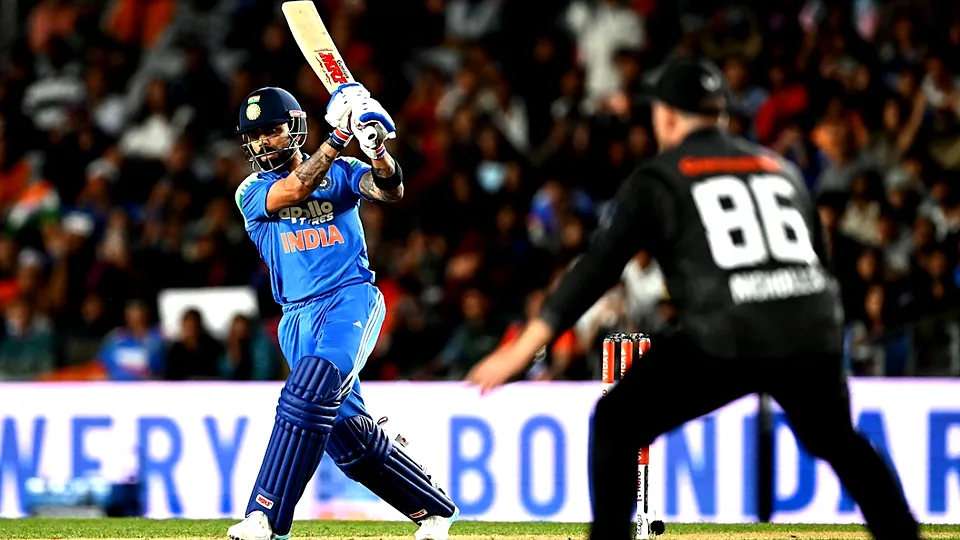
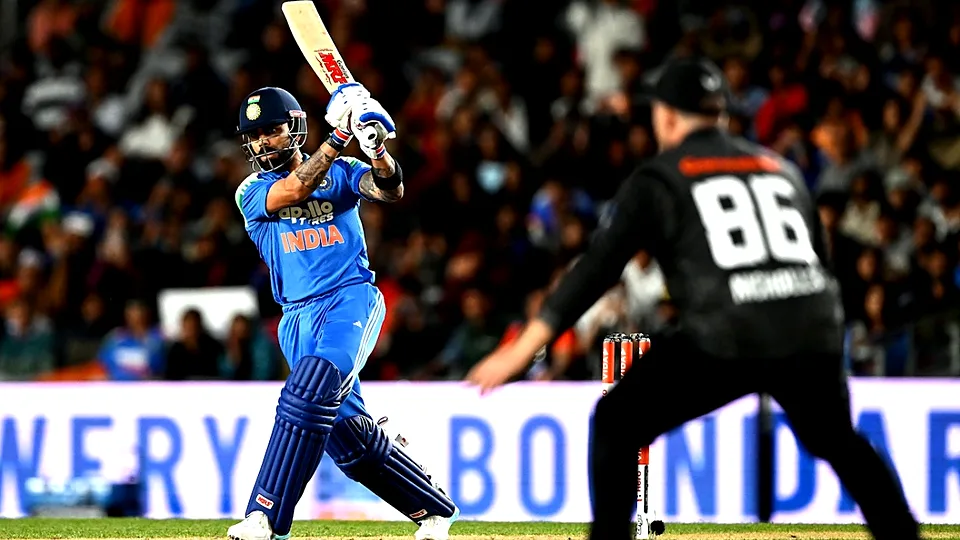
Then there was Virat. He didn't just score runs; he occupied the crease like a landlord collecting overdue rent. While the younger lot looked to clear the ropes, Kohli played the long game, grinding the opposition into the dirt with an almost sadistic level of patience. It was a clinic in temperament. He knew the pitch had a bit of a nip early on, so he waited. He watched. He dominated.
There is a certain thrill in watching a calculated risk pay off. It's the same rush some fans get when they hit a jackpot on caesar vip casino slots india—that sudden, electric surge of victory when the odds finally tip in your favor. For India, the 'jackpot' was a disciplined middle-order stand that took the game away from New Zealand before the tea break.
Death Bowling and the Captain's Gamble
The captaincy was the silent MVP here. Most skippers would have panicked during the second-session surge, but the field placements remained aggressive. He kept the ring tight. He refused to give the Kiwis an easy single. The resulting middle-overs choke forced the batters into reckless shots, playing right into the hands of a fielding unit that looked hungry for every half-chance.
The bowling at the death was particularly clinical. Instead of spraying it wide or gifting full tosses, the quicks stuck to a heavy length, forcing the batters to manufacture shots that simply weren't there. Look at the numbers from the final session:
| Bowler | Economy | Dot Ball % | Wickets |
|---|---|---|---|
| Lead Pacer | 2.4 | 68% | 4 |
| Support Seamer | 3.1 | 52% | 3 |
Can This Momentum Hold?
But let's not get carried away. Auckland is one thing; the next venue might be a different beast entirely. Will the dew factor after 8:30 PM IST affect the second innings of the next match? Probably. Can the seamers maintain this level of aggression without leaking runs? That's the real question. The dressing-room chatter suggests a high level of confidence, but complacency is a disease that hits Indian teams in overseas conditions far too often.
"We didn't just play the conditions; we dictated them. That's the difference between winning a session and winning a Test match."
The blueprint is simple: relentless pressure, no easy boundaries, and a batting core that refuses to blink. If India replicates this intensity, the series is already theirs. If they slip into their old habit of gifting wickets in clusters, the 1-0 lead will feel like a fluke. For now, though, the dominance is absolute. The Kiwis are searching for answers; India is providing none.
Related coverage
- IPL 2026 Schedule Leak: How 5G Spikes Ruin Second-Screen Betting Apps
- Seddon Park's Slow Middle Overs, Not the Dew, Decide the Fifth T20I

Updated 2026-11-05 · Instant Rupee Deposits & 60s Withdrawals · 24/7 Support.
Access Official CaesarArts Portal →WPL & Franchise League Columnist · Mumbai Desk
Pallavi Sen reports on franchise leagues, the WPL, and domestic Indian tournaments for CaesarArts. Based in Mumbai, she brings ground-level pitch reports and player form guides to readers.
Reader Discussion & Match Reactions (6)4.7★ Community (6 Comments)
Verified Indian cricket reader perspectives & tactical debate on caesararts.com
Seven overs to dismantle a top order is a brutal efficiency rate. If the seamers maintained that corridor discipline throughout the first session, the economy rate must have been negligible against the Kiwis.
The 'landlord' approach from Kohli is fine, but grinding the opposition into the dirt often leads to a stalemate. Relying on one veteran's temperament is a risky strategy for the long-term stability of the middle order.
Interesting to see the author compare international batters to Ranji hopefuls. It proves that the intensity in our domestic circuit is now mirroring the skiddy, hard lengths found in Auckland.
The mention of the 2011 tour discipline is the key metric here. Comparing the current new-ball burst to that era shows a significant jump in tactical aggression and seam movement.
The captaincy is called the silent MVP, but was it a gamble or just New Zealand collapsing? We need to see if this discipline holds when the pitch stops nipping early on.
@Saurabh_NRR Exactly, that seventh-over mark was the tipping point. It's impressive how Kohli played the long game while the younger players were just trying to clear the ropes.
Join the Discussion (6 Reader Comments)
Related Articles
See All
Ireland Beat India, And The Question Is Whether It Was A Fluke Or A Sign
Jul 8, 2026
Jennings hopes match
Jul 28, 2026