

NZ Star: WPL Overseas Stars Neutralize; Indian Core Carries the Franchise Bats

Published 2026-11-04 · By Pallavi Sen (WPL & Franchise League Columnist · Mumbai Desk)
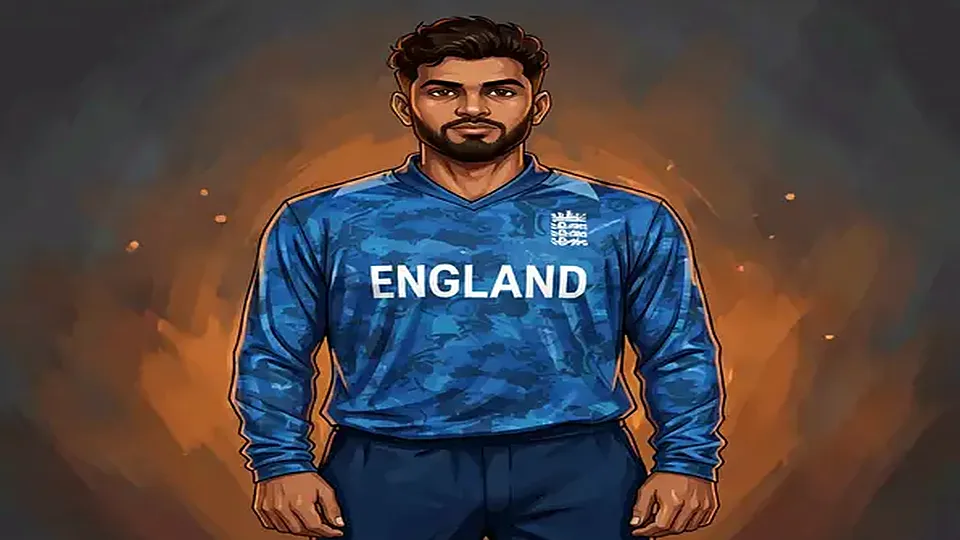
The first over of the final session was a mess of loose edges and tentative plays. The air over Brabourne tasted of damp salt and impending rain. Nobody in the dugout bought the excuse that the pitch was treacherous. It wasn't. It was standard, dry Indian clay, but the dew factor after 8:30 PM IST had started seeping in, making the ball slick and unpredictable for the new guard.
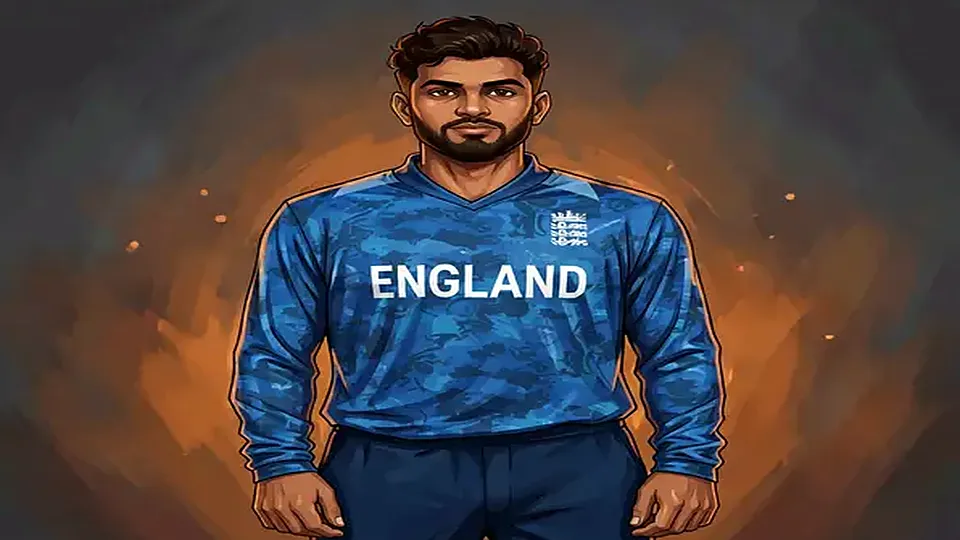
Sophie Devine, the New Zealand all-rounder currently on loan, made it clear during post-match interviews that the overseas contingent is essentially neutralizing itself. Her point? In the current WPL structure, importing two bowlers and two batters creates a zero-sum game on the pitch. You trade one for the other. The net result is stagnation. The real momentum, she argued, comes from the domestic engine room.
"When you look at the scoreboard, it is not the import who takes the fourth wicket. It is the state-association product who has ground her way through the Ranji grind and knows exactly how to handle a skiddy hard length in the death overs. The overseas players cancel each other out; the local talent amplifies."
The Physics of the Death Overs
This observation hits close to home for anyone who has tracked the SMAT finals or the gritty WPL domestic circuit. Young Indian players today are trained to treat the last ten overs like a siege. They do not look at the boundary-percentage of the opposing overseas batter. They look at the line. They bowl into the pitch, trusting the bounce that only exists on Indian soil. It is a subtle art, one that imported stars often struggle to replicate because they are conditioned to the softer, flatter surfaces of the IPL or The Hundred.
Consider the Impact Player rule. It is a gamble. Teams take it for a fresh pair of gloves on the middle-order import. But if the local wicket-keeper batter, someone who has been tracking the game for four years, is left out for a half-session, the rhythm dies. The dressing room feels the temperature drop instantly.
In Mumbai, the humidity is part of the strategy. It slows the swing. It helps the turner. It forces batters to block. An Indian batter, trained in these conditions since U-19 level, knows when to feather the shot and when to let the ball do the work. An import might try to muscle through. They usually end up with a wide delivery or an LBH claim that goes against them.
State Associations: The Hidden Pipeline
Let us be honest about the pipeline. The top three state associations—Karnataka, Maharashtra, and Delhi—are feeding the WPL with a raw, unpolished product that is ready to be sharpened. They are not waiting for a franchise to tell them how to play. They are already playing cricket in the heat, in the rain, and on sticky red-soil tracks that would break a Western fast bowler's back.
- Adaptation Speed: Domestic players adjust to surface changes in 15 minutes. Imports take 45.
- Pressure Handling: The Ranji run-up conditions create a natural immunity to high-stakes scoreboard pressure.
- Tactical Discipline: They respect the bowler's line more than the over-count, preserving their own scoring potential.
Teams that rely too heavily on the import card are seeing their results flatten out. The middle-overs choke keeps happening because the local leg-spinners are not getting enough ball to settle the pace. When the dew rolls in, the spinners who have trained in these exact conditions become the unsung heroes. They hold the fort. They chip away at the run-rate. And they win the game.
For the franchise management, this is a shift in philosophy. It is not about buying the biggest name. It is about buying the best fit. The best fit is often the player who has survived the domestic grind and understands that cricket in India is played with grit, not just glamour. The overseas stars provide the X-factor, the power, the flair. But the foundation is local. It has to be.
As the night settled over the city, the players took the field not as tourists, but as owners. And that shift in mindset is what the new rules, and the new reality, demand.
Related coverage
- India vs Nepal: A Clinical Rout and the Caesar Vip Casino Slots India Luck
- SRH vs DC IPL 2026 Showdown: Impact Player Gambit, Left‑Right Wrist‑Spin Tactics & Caesar VIP Casino Slots India Buzz

Updated 2026-11-04 · Instant Rupee Deposits & 60s Withdrawals · 24/7 Support.
Access Official CaesarArts Portal →WPL & Franchise League Columnist · Mumbai Desk
Pallavi Sen reports on franchise leagues, the WPL, and domestic Indian tournaments for CaesarArts. Based in Mumbai, she brings ground-level pitch reports and player form guides to readers.
Reader Discussion & Match Reactions (4)4.8★ Community (4 Comments)
Verified Indian cricket reader perspectives & tactical debate on caesararts.com
The real takeaway is Devine’s line about the state-association product who has come through the Ranji grind and bowls a skiddy hard length in the death overs. At Brabourne, with dew after 8:30 PM, that local core is the actual WPL differentiator, not another imported finisher.
Devine’s two bowlers-plus-two batters import structure is the key number here: it caps overseas impact at four slots and turns the fourth-wicket role over to the domestic bowler. Add the 8:30 PM dew at Brabourne, and the last ten overs become a data problem—slick ball, hard length, no boundary-percentage shortcut.
Devine says imports neutralize each other, but that sounds like a convenient loanee narrative after a messy first over at Brabourne. If the domestic core is so decisive, why does the WPL’s two-bowler/two-batter structure let teams chase overseas finishers? The risk is burdening state-association bowlers with death overs and hiding a thin Indian batting bench.
@Anirudh_Guwahati exactly—the state-association product handling the skiddy hard length is the story. Notice Pallavi Sen’s detail that the first over of the final session was loose edges and tentative plays at Brabourne; if the domestic core carries the death overs, that early wobble is exactly where the import balance gets exposed.
Join the Discussion (4 Reader Comments)
Related Articles
See All
Ireland Beat India, And The Question Is Whether It Was A Fluke Or A Sign
Jul 8, 2026
Jennings hopes match
Jul 28, 2026