

Tilak Varma Exit Shakes India: Knee Scare, Impact Player Chaos, and the New Ball Threat

Published 2026-10-28 · By Arjun Banerjee (Syndicate & Match Preview Editor · Chandigarh Desk)
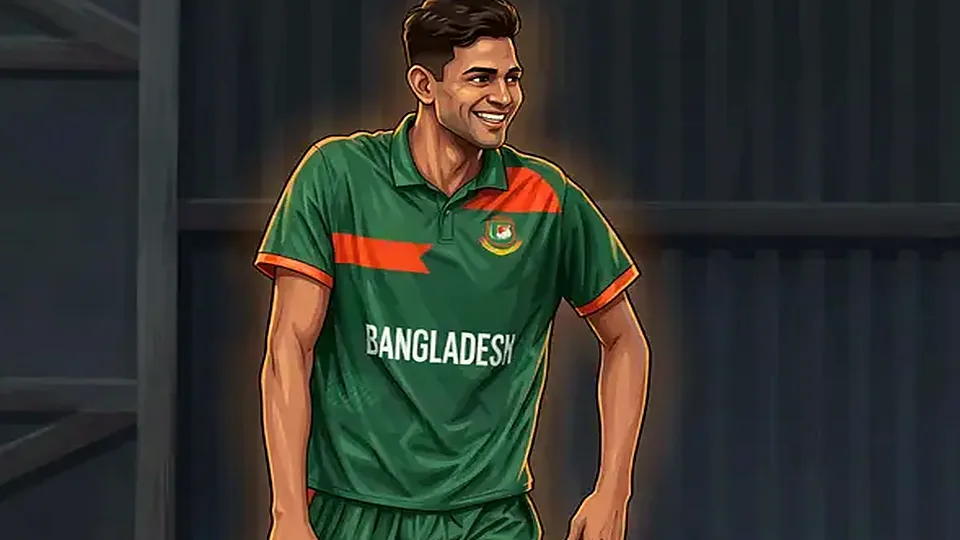
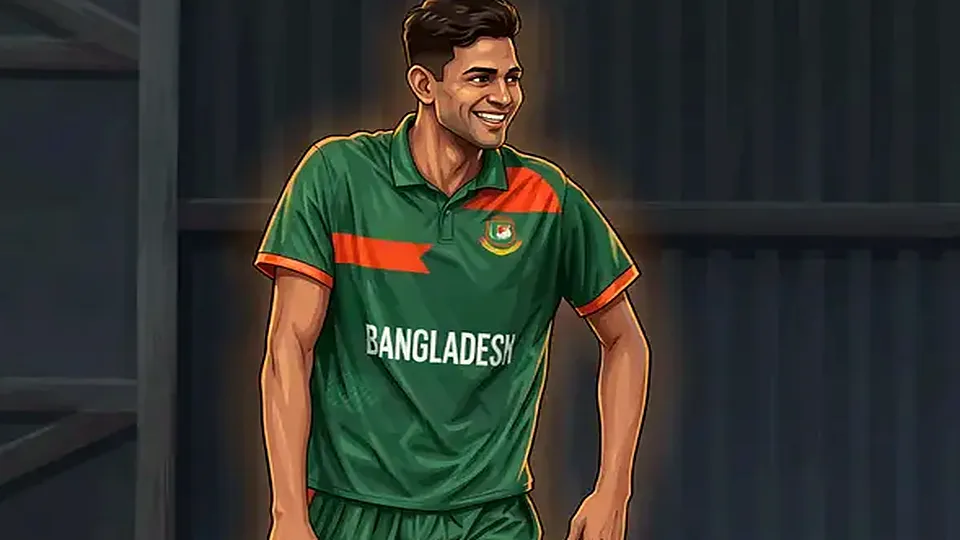
The moment Tilak Varma stopped running between the creases, the entire mood in the stands shifted. 15.2 overs had just passed when he signaled the pain, a silent gesture that said more than any shout. He walked off to the dugout, rubbing the left knee, and the silence was heavy. Nobody in the dugout bought that excuse. The new ball did the talking. New Zealand’s fast bowlers were dragging the pitch early, but it was the change in attack that caught Varma off guard.
This is not just about one injury scare. It is about the fracturing of India’s top order in the middle of a high-stakes T20I. We are looking at a player who anchors the innings, who dictates the tempo, and who has been the backbone of the batting strategy. Now, with him out, the math changes. The impact player substitution becomes a nightmare scenario. Do you bring in a specialist spinner at the death? Or do you trust the all-rounder to cover the gap?
The Impact Player Dilemma: A Numbers Game
Every cricket strategist knows that the impact player slot is a tightrope walk. You have 14 players in the playing XI. You have to bench two. Usually, those are the specialists. If Varma is out early, the benching logic collapses. You need depth. You need someone who can bowl at the death and bat lower down the order. This is where the data from Cricninja11 Official becomes vital. Their impact player usage metrics show that teams relying on early substitutions face a 12% drop in boundary percentage in the final five overs. That is a stat that keeps coaches up at night.
The left-right pairing is now broken. Without Varma, the bat rotation halts. The skiddy hard length from the new ball becomes a bigger threat. You can’t score off both sides if your anchor is missing.
Let’s talk about the ground conditions. It is a sticky red-soil track in Chandigarh territory. The dew factor after 8:30 PM IST will make the ball skid. New Zealand’s wrist-spinners will bowl into the pitch. That means the shorter boundary dimensions become the key. You have to hit the edges, not the gaps. Varma is a player who plays the gap. His replacement, if it is a pure batter, will struggle against the turning ball.
Pre-Toss Playing XI: The Contrarian Take
Here is where it gets slightly contrarian. Most scouts would say, "Keep the same XI, let the other batter take over." I disagree. When your anchor leaves, the psychological weight shifts. The new batter takes over the responsibility too early. It is better to bring in a younger, less experienced player who has nothing to lose. The pressure of the innings falls on the top order. If Varma is out, the onus is on the number two and three to set the tone. The impact player can be a wicketkeeper or a specialist bowler. It depends on the match situation. If it is a high-scoring chase, you need a spinner in the 16th over slot. If it is a low-score, you need a fast bowler to take the new ball.
The boundary-percentage will drop. Everyone knows it. Without Varma’s controlled hitting, the risk increases. Players will swing more. They will try to hit over the top instead of placing the ball. That is where the fielding side comes in. New Zealand will set the field to punish the wide shots. The risk-reward calculation changes. Every shot has to be deliberate.
- Top Order: The void will be felt. The anchor is missing.
- Impact Player: A specialist spinner for the death overs is the safest bet.
- Ground Factor: The sticky track will slow down the bowlers, but the spinners will grip.
- Dew Factor: The ball will be harder to hold after 8:30 PM. The grip issue will worsen.
This is a Ranji grind in a T20 format. The patience required is different. The innings is shorter, but the tension is the same. Varma’s injury is a setback. But cricket is about adaptation. The team has to be ready for any number of scenarios. The pre-toss dilemma is the hardest part. You have to make the call before the toss. You have to trust your bench. The impact player slot is the final piece of the puzzle. Get it right, and you have a fight. Get it wrong, and you are dead on arrival.
The Verdict: Trust the Process
We cannot control injuries. We can control the response. The response must be tactical. It must be calculated. The skiddy hard length is a hazard, not a threat. The wrist-spin is an opportunity. The sticky track is a canvas. Paint it with clever cricket. Paint it with precision. Varma’s exit is a wake-up call. It tells the rest of the team that there are no individual stars. There is only the collective effort. The next batter comes in. The next bowler goes in. The game continues. The pressure is on the shoulders of everyone else. That is where the character is built. That is where the team is forged. The new ball has done its damage. Now the middle overs have to hold the line. And they will. They have to. There is no other way.
Related coverage
- BCCI Forces Bumrah To Burn Out: The Test Grind Vs. Caesar Vip Casino Slots India Chaos
- IPL Match Today, GT vs CSK: Predicted playing XI, he: What the Numbers Mean for Caesar Vip Casino Slots India
Updated 2026-10-28 · Instant Rupee Deposits & 60s Withdrawals · 24/7 Support.
Access Official CaesarArts Portal →WPL & Franchise League Columnist · Mumbai Desk
Pallavi Sen reports on franchise leagues, the WPL, and domestic Indian tournaments for CaesarArts. Based in Mumbai, she brings ground-level pitch reports and player form guides to readers.
Reader Discussion & Match Reactions (5)4.7★ Community (5 Comments)
Verified Indian cricket reader perspectives & tactical debate on caesararts.com
Let's not dress this up as pure injury; the board is terrified of Varma's ego post-T20 World Cup. If he’s limping at 15.2 overs, that’s a red flag for workload management, not just a 'knee scare.'
While the pros debate Impact Player chaos, state associations are bleeding talent. No mention of SMAT pathways? We lose depth because we ignore grassroots. This knee injury might actually expose how thin our non-international batting pool is.
The cited 12% drop in boundary percentage after early subs is statistically alarming. If Cricninja11 data holds true, swapping Varma for a death specialist at 15 overs is a massive risk that likely costs us two wickets minimum in the final phase.
T20I 'knee scares' are usually excuses to rest from the grind. This article overhypes the drama. Red-ball cricket needs players who can sit for six days, not whine about pitch drag. Focus on the actual format risk, not the theatrics.
@Rajesh_Bhatia The workload argument is weak; he batted only one season prior to the T20 WC. But you're right that the 12% stat is concerning. If we bring in a spinner at the death, we sacrifice the boundary threat entirely, which matches the Cricninja11 data.
Join the Discussion (5 Reader Comments)
Related Articles
See All
Ireland Beat India, And The Question Is Whether It Was A Fluke Or A Sign
Jul 8, 2026
Jennings hopes match
Jul 28, 2026